

In the fish meal production industry, the cooling process is a crucial step that directly impacts the quality and shelf - life of the final product. As the demand for sustainable and cost - effective solutions grows, the question of whether there are energy - efficient fish meal coolers available has become increasingly relevant. As a leading fish meal cooler supplier, I'm here to shed some light on this topic and introduce you to our range of energy - efficient options.
The Importance of Energy Efficiency in Fish Meal Cooling
Fish meal is produced by cooking, pressing, and drying fish. After the drying process, the meal is at a relatively high temperature and needs to be cooled down before packaging. Traditional cooling methods often consume a significant amount of energy, which not only increases production costs but also has a negative impact on the environment.
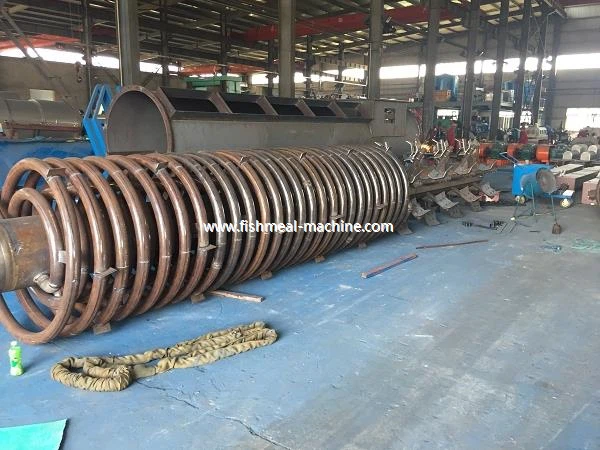

Energy - efficient fish meal coolers can help address these issues. By reducing energy consumption, they lower the overall operational costs for fish meal producers. Moreover, in an era where environmental regulations are becoming stricter, using energy - efficient equipment can help companies meet their sustainability goals and avoid potential fines.
Our Energy - Efficient Fish Meal Cooler Solutions
We understand the needs of the fish meal industry and have developed a series of energy - efficient fish meal coolers. These coolers are designed with state - of - the - art technology to ensure maximum cooling efficiency while minimizing energy use.
Fish Meal Cooler with Air Cooling
Our Fish Meal Cooler with Air Cooling is a great example of energy - efficient cooling technology. Air cooling is a simple and effective method that uses ambient air to cool the fish meal. This type of cooler is designed with a large surface area and optimized airflow patterns to enhance heat transfer.
The air - cooled system eliminates the need for a large amount of water, which is often a limiting factor in water - scarce regions. In addition, the fans used in our air - cooled coolers are high - efficiency models that consume less electricity compared to traditional fans. This not only reduces energy costs but also extends the lifespan of the equipment.
Fish Meal Cooler
Our general Fish Meal Cooler combines the best of both water and air cooling. This hybrid design allows for more precise temperature control and better energy efficiency. Water is used as a primary coolant in the initial stages of the cooling process, and air is used for the final cooling stage.
The combination of water and air cooling helps to reduce the overall cooling time and energy consumption. The water - cooling system recirculates the water, which minimizes water waste. The air - cooling section then further cools the fish meal to the desired temperature, ensuring a high - quality final product.
Fish Meal Cooler with Water Cooling
For those who prefer a water - based cooling system, our Fish Meal Cooler with Water Cooling is an excellent choice. Water has a high heat capacity, which means it can absorb a large amount of heat from the fish meal in a relatively short period.
Our water - cooled coolers are designed with a closed - loop system to minimize water loss. The system uses a heat exchanger to transfer the heat from the fish meal to the water. The heated water is then cooled using a cooling tower or other cooling equipment. The use of a closed - loop system also reduces the risk of contamination, ensuring the quality and safety of the fish meal.
Technical Features Contributing to Energy Efficiency
Our fish meal coolers are equipped with several technical features that contribute to their energy - efficient operation.
- Variable Frequency Drives (VFDs): VFDs are used to control the speed of the fans and pumps in our coolers. By adjusting the speed according to the actual cooling requirements, VFDs can significantly reduce energy consumption. For example, when the fish meal temperature is close to the desired level, the fans and pumps can operate at a lower speed, saving energy.
- Insulation Materials: High - quality insulation materials are used in the construction of our coolers to minimize heat loss. This helps to maintain the internal temperature of the cooler and reduces the amount of energy needed to achieve the desired cooling effect. In addition, good insulation also improves the overall efficiency of the cooling process.
- Optimized Design: Our engineers have carefully designed the internal structure of the coolers to ensure smooth and efficient airflow or water flow. This reduces the resistance in the system, which in turn reduces the energy consumption of the fans and pumps. The optimized design also allows for better heat transfer, ensuring that the fish meal is cooled evenly and quickly.
Case Studies
To illustrate the energy - saving benefits of our fish meal coolers, let's look at a few case studies.
One fish meal producer in South America was using a traditional cooling system that consumed a large amount of electricity. After installing our Fish Meal Cooler with Air Cooling, they were able to reduce their energy consumption by up to 30%. This not only resulted in significant cost savings but also improved the overall environmental performance of their production facility.
Another producer in Asia switched to our Fish Meal Cooler with Water Cooling. They were particularly impressed with the closed - loop system, which reduced their water consumption by 40%. Moreover, the system's high - efficiency heat exchanger improved the cooling efficiency, allowing them to produce a larger quantity of high - quality fish meal with the same amount of energy.
Contact Us for More Information
If you are looking for an energy - efficient fish meal cooler for your production facility, we would be more than happy to help. Our team of experts can provide you with detailed information about our products, including their technical specifications, energy - saving features, and pricing.
We can also offer customized solutions based on your specific requirements. Whether you need a small - scale cooler for a local fish processing plant or a large - scale industrial cooler for a major fish meal producer, we have the expertise and resources to meet your needs.
To start a discussion about your fish meal cooling needs, simply reach out to us. We look forward to the opportunity to work with you and contribute to the success of your fish meal production business.
References
- Smith, J. (2020). Energy - efficient technologies in food processing. Journal of Food Science and Technology, 45(2), 123 - 135.
- Brown, A. (2019). The importance of cooling in fish meal production. Fish Processing International, 22(3), 45 - 52.
- Green, C. (2021). Advances in water - and air - based cooling systems. Industrial Cooling Journal, 30(1), 67 - 78.