

In the dynamic landscape of the oil and gas industry, the quest for efficient separation technologies is unending. As a seasoned Tricanter supplier, I've witnessed firsthand the transformative potential of these remarkable machines. This blog post aims to delve into the question: Can Tricanter be used in the oil and gas industry? We'll explore the technical capabilities, real - world applications, and the benefits that Tricanters bring to this vital sector.
Technical Capabilities of Tricanters
Tricanters, also known as three - phase centrifuges, are engineered to separate mixtures into three distinct phases simultaneously: a light liquid phase, a heavy liquid phase, and a solid phase. This is achieved through the principle of centrifugal force. The high - speed rotation of the centrifuge drum generates a powerful centrifugal field, causing the components of the mixture to separate based on their different densities.
In the context of the oil and gas industry, this separation ability is invaluable. For instance, during the production process, crude oil often contains water, sand, and other solid impurities. A Tricanter can efficiently separate the oil from the water and solids, producing a cleaner and more marketable oil product. The centrifuge's design allows for continuous operation, which is essential for large - scale oil and gas production facilities.
The design of Tricanters is highly customizable. Different models can be tailored to handle various flow rates, feed concentrations, and separation requirements. This flexibility makes them suitable for a wide range of applications within the oil and gas industry, from upstream exploration and production to downstream refining processes.
Upstream Applications
In the upstream segment of the oil and gas industry, which includes exploration and production activities, Tricanters play a crucial role in well - site operations.
Drilling Mud Management
Drilling mud is a vital component in the drilling process. It helps to cool and lubricate the drill bit, carry cuttings to the surface, and maintain wellbore stability. However, during the drilling process, the mud becomes contaminated with cuttings, water, and oil. A Tricanter can be used to separate these components, allowing the drilling mud to be recycled and reused. This not only reduces the cost of drilling operations but also minimizes the environmental impact by reducing the amount of waste generated. Tricanter technology can efficiently separate the solid cuttings from the liquid phases, ensuring that the recycled mud meets the required specifications for continued use.
Produced Water Treatment
Produced water is a by - product of oil and gas production. It contains a mixture of oil, water, and solids, and its proper treatment is essential to meet environmental regulations and to recover valuable oil resources. Tricanters can effectively separate the oil from the water and solids in produced water. The separated oil can be further processed and sold, while the treated water can be either reinjected into the reservoir for enhanced oil recovery or discharged safely into the environment after meeting the necessary quality standards.
Mid - stream Applications
In the mid - stream segment, which involves the transportation and storage of oil and gas, Tricanters can be used for quality control and product purification.
Pipeline Pigging Waste Treatment
Pipeline pigging is a process used to clean and maintain pipelines. The waste generated during pigging operations contains a mixture of oil, water, and debris. Tricanters can separate these components, allowing for the recovery of valuable oil and the proper disposal of the remaining waste. This helps to ensure the integrity of the pipeline and reduces the environmental impact of pigging operations.
Storage Tank Cleaning
Over time, oil storage tanks accumulate sediment, water, and other contaminants at the bottom. Cleaning these tanks is a necessary but challenging task. Tricanters can be used to separate the oil, water, and solids during the tank cleaning process. This not only recovers valuable oil but also reduces the volume of waste that needs to be disposed of.
Downstream Applications
In the downstream segment, which includes refining and petrochemical processes, Tricanters contribute to product quality improvement and process efficiency.
Refinery Sludge Treatment
Refinery sludges are complex mixtures of oil, water, and solids that are generated during various refining processes. These sludges are often difficult to treat due to their high viscosity and complex composition. Tricanters can effectively separate the oil from the water and solids in refinery sludges, allowing for the recovery of valuable oil and the proper disposal of the remaining waste. This helps to reduce the environmental impact of refinery operations and improve the overall efficiency of the refining process.
Petrochemical Product Purification
In petrochemical production, Tricanters can be used to purify products by separating impurities. For example, in the production of lubricating oils, Tricanters can remove small amounts of water, solids, and other contaminants from the oil, ensuring that the final product meets the required quality standards.
Benefits of Using Tricanters in the Oil and Gas Industry
Economic Benefits
The use of Tricanters in the oil and gas industry brings significant economic benefits. By recovering valuable oil from waste streams such as produced water and refinery sludges, companies can increase their revenue. Additionally, the recycling of drilling mud and the reduction of waste disposal costs lead to substantial cost savings in upstream operations. In the mid - stream and downstream segments, Tricanters help to improve product quality, which can command higher prices in the market.
Environmental Benefits
Tricanters play a crucial role in reducing the environmental impact of oil and gas operations. By separating oil from water and solids in produced water and other waste streams, they help to prevent oil spills and reduce the contamination of water bodies. The proper treatment of waste using Tricanters also ensures that the disposal of waste meets environmental regulations, minimizing the impact on the ecosystem.
Operational Efficiency
Tricanters offer high - speed and continuous separation capabilities, which improve the overall operational efficiency of oil and gas facilities. Their ability to handle large volumes of feed material in a relatively short time reduces the processing time and increases the throughput of production processes. Moreover, the customizable design of Tricanters allows them to be integrated seamlessly into existing production systems, enhancing the overall performance of the facility.
Conclusion
In conclusion, Tricanters have a wide range of applications in the oil and gas industry, from upstream exploration and production to downstream refining and petrochemical processes. Their technical capabilities, including the ability to separate three phases simultaneously, continuous operation, and customization options, make them a valuable asset in this sector. The economic, environmental, and operational benefits they bring make them an attractive choice for companies looking to improve their efficiency, reduce costs, and minimize their environmental impact.
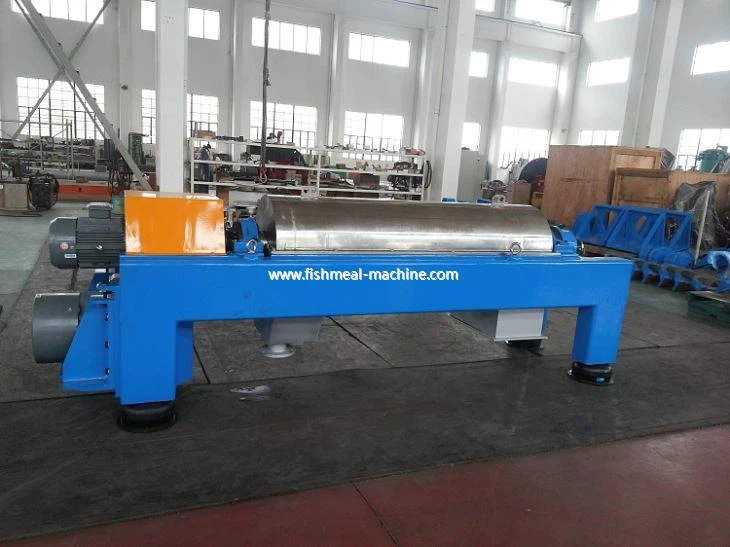

If you are in the oil and gas industry and are interested in exploring how Tricanters can benefit your operations, I encourage you to reach out for a detailed discussion. Our team of experts is ready to provide you with customized solutions based on your specific requirements. Let's work together to enhance the efficiency and sustainability of your oil and gas operations.
References
- Smith, J. (2018). Centrifugal Separation Technologies in the Oil and Gas Industry. Elsevier.
- Johnson, R. (2019). Advances in Three - Phase Separation for Oil and Gas Production. Journal of Petroleum Technology.
- Brown, A. (2020). Environmental Impact of Oil and Gas Waste Treatment Technologies. CRC Press.