

In the pulp and paper industry, the efficient management of oil is crucial for both operational efficiency and environmental compliance. An oil separator plays a vital role in this process. As a leading supplier of oil separators, I am excited to share with you how these remarkable devices work in the context of the pulp and paper industry.
The Importance of Oil Separation in the Pulp and Paper Industry
The pulp and paper manufacturing process involves a variety of operations that can introduce oil into the wastewater stream. For example, in the mechanical pulping process, equipment such as refiners and pumps use lubricating oils. These oils can leak into the process water, and if not properly removed, they can cause a range of problems.
Firstly, oil in the wastewater can interfere with the paper - making process itself. It can cause issues such as uneven paper formation, reduced strength of the paper, and problems with the coating and finishing processes. Secondly, from an environmental perspective, discharging oil - contaminated wastewater into the environment is strictly regulated. Failure to comply with environmental regulations can result in significant fines and damage to the company's reputation. Therefore, effective oil separation is essential for both product quality and environmental protection.

Basic Principles of Oil Separation
Oil separators operate based on the principle of the difference in density between oil and water. Oil is less dense than water, which means that it will tend to float on the surface of the water. However, in the pulp and paper industry, the oil is often present in the form of emulsions, where small droplets of oil are dispersed throughout the water. These emulsions are more difficult to separate because the oil droplets are stabilized by surfactants or other substances present in the wastewater.
There are several methods used to break these emulsions and separate the oil from the water. One common approach is to use physical separation techniques, such as gravity separation, coalescence, and filtration. Chemical methods can also be employed, where chemicals are added to the wastewater to break the emulsions and promote the aggregation of oil droplets.
Gravity Separation
Gravity separation is the most fundamental method of oil separation. In a gravity oil separator, the wastewater is allowed to flow slowly through a large tank. As the water flows, the oil droplets, being less dense, rise to the surface of the water. Over time, a layer of oil forms on the top of the water, which can then be skimmed off.
In the pulp and paper industry, gravity separators are often used as a pre - treatment step. They can remove a significant amount of free oil from the wastewater. However, they are less effective at removing emulsified oil. The efficiency of a gravity separator depends on several factors, including the flow rate of the wastewater, the size of the oil droplets, and the density difference between the oil and the water.
Coalescence
Coalescence is a process where small oil droplets are combined to form larger droplets. Larger oil droplets rise to the surface of the water more quickly, making them easier to separate. Coalescing oil separators use special media, such as fibers or plates, to promote the coalescence of oil droplets.
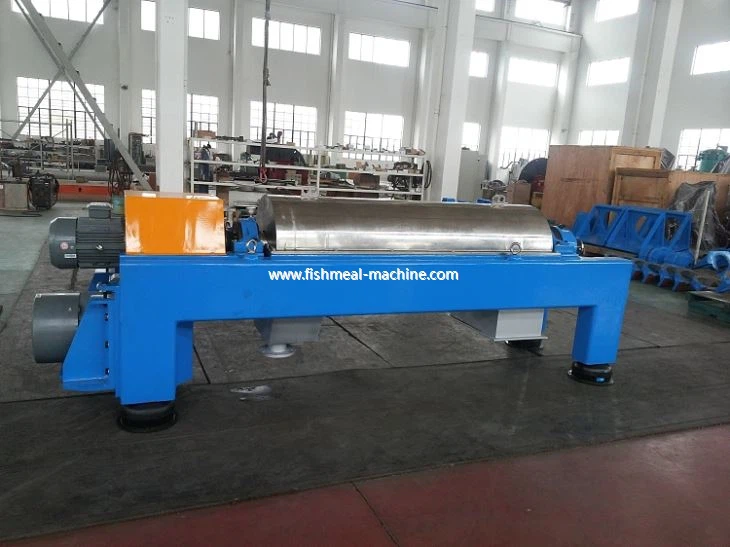
When the wastewater passes through the coalescing media, the oil droplets adhere to the surface of the media. As more oil droplets adhere, they combine to form larger droplets. These larger droplets then break away from the media and rise to the surface of the water. Tricanter is an advanced type of separator that can utilize coalescence principles in combination with other separation techniques to achieve high - efficiency oil separation.
Filtration
Filtration is another important method for oil separation. In a filtration - based oil separator, the wastewater is passed through a filter medium. The filter can trap oil droplets and other solid particles present in the wastewater. There are different types of filter media available, including activated carbon, sand, and synthetic fibers.
Activated carbon filters are particularly effective at removing dissolved organic compounds, including some types of oil. Sand filters are commonly used for removing larger solid particles and some free oil. Synthetic fiber filters can be designed to have different pore sizes, allowing them to target specific sizes of oil droplets.
Chemical Treatment
In addition to physical separation methods, chemical treatment can be used to enhance the performance of oil separators. Chemicals such as demulsifiers are added to the wastewater to break the emulsions. Demulsifiers work by disrupting the surface tension of the oil droplets and the stabilizing agents in the emulsion.
Once the emulsions are broken, the oil droplets can more easily coalesce and separate from the water. Other chemicals, such as coagulants and flocculants, can also be used. Coagulants neutralize the charges on the oil droplets, causing them to come together. Flocculants then help to form larger aggregates of oil droplets, which can be more easily removed by physical separation methods.
Advanced Oil Separation Systems
In the modern pulp and paper industry, there is a growing demand for more advanced oil separation systems. These systems often combine multiple separation techniques to achieve high - efficiency and reliable oil removal. For example, a system might include a gravity separator as a pre - treatment step, followed by a coalescing separator and a filtration unit.
Advanced control systems are also used to optimize the performance of these oil separators. These control systems can monitor the flow rate, temperature, and other parameters of the wastewater and adjust the operation of the separator accordingly. This ensures that the separator operates at its maximum efficiency under different operating conditions.
Benefits of Our Oil Separators
As an oil separator supplier, we offer a range of high - quality oil separation solutions for the pulp and paper industry. Our oil separators are designed to be highly efficient, reliable, and easy to operate. They are made from high - quality materials that can withstand the harsh conditions of the pulp and paper manufacturing process.
Our separators can effectively remove both free and emulsified oil from the wastewater, ensuring that the paper - making process is not affected by oil contamination and that the wastewater meets environmental regulations. We also provide comprehensive after - sales service, including installation, maintenance, and technical support.
Contact Us for Your Oil Separation Needs
If you are in the pulp and paper industry and are looking for an effective oil separation solution, we would be delighted to hear from you. Our team of experts can help you select the right oil separator for your specific needs and provide you with a customized solution. Whether you need a simple gravity separator or a more advanced multi - stage separation system, we have the expertise and the products to meet your requirements.
Contact us today to discuss your oil separation needs and start the process of improving your operational efficiency and environmental compliance.
References
- Environmental Protection Agency (EPA). "Wastewater Treatment in the Pulp and Paper Industry."
- Perry, Robert H., and Don W. Green. "Perry's Chemical Engineers' Handbook."
- Svarovsky, Ladislav. "Solid - Liquid Separation."