

Hey there! I'm a supplier of oil separators, and today I'm gonna share with you how to clean an oil separator. It's a crucial process to keep your separator working efficiently and extend its lifespan. So, let's dive right in!
Why Cleaning an Oil Separator is Important
First off, you might be wondering why cleaning an oil separator is such a big deal. Well, over time, oil separators accumulate all sorts of gunk, like oil, dirt, and debris. If you don't clean it regularly, this buildup can clog the separator, reducing its efficiency. A clogged separator won't be able to separate oil from other substances as effectively, which can lead to all sorts of problems. For example, it might cause your equipment to work harder, increasing energy consumption and potentially leading to premature wear and tear. Plus, if the separator isn't working properly, it could release pollutants into the environment, which is definitely not cool.
Tools and Materials You'll Need
Before you start cleaning your oil separator, you'll need to gather a few tools and materials. Here's a list of what you'll typically need:
- Safety gear: This includes gloves, goggles, and a respirator. Cleaning an oil separator can expose you to some pretty nasty chemicals, so it's important to protect yourself.
- Cleaning solution: You can use a commercial cleaning solution specifically designed for oil separators, or you can make your own using a mixture of water and a mild detergent.
- Brushes: You'll need a few different types of brushes, including a stiff-bristled brush for scrubbing tough stains and a soft-bristled brush for more delicate areas.
- Buckets: You'll need a couple of buckets for holding the cleaning solution and for collecting the dirty water.
- Hoses: A hose will come in handy for rinsing the separator.
Step-by-Step Cleaning Process
Now that you have all your tools and materials ready, it's time to start cleaning your oil separator. Here's a step-by-step guide:
Step 1: Shut Down the System
The first thing you need to do is shut down the oil separator system. This will prevent any oil or other substances from flowing into the separator while you're cleaning it. Make sure to follow the manufacturer's instructions for shutting down the system safely.
Step 2: Drain the Separator
Once the system is shut down, you'll need to drain the separator. This will remove any remaining oil and water from the unit. You can do this by opening the drain valve at the bottom of the separator and letting the liquid drain into a bucket. Be careful when handling the dirty water, as it may contain harmful chemicals.
Step 3: Remove the Components
Next, you'll need to remove the components of the oil separator. This may include the filter, baffles, and any other removable parts. Refer to the manufacturer's instructions for guidance on how to remove these components safely. Once you've removed the components, place them in a bucket filled with the cleaning solution.
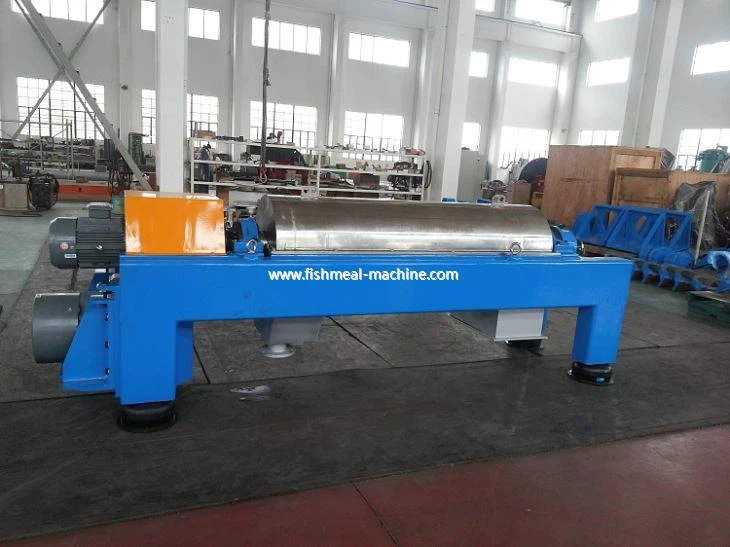

Step 4: Scrub the Separator
Now it's time to scrub the inside of the separator. Use a stiff-bristled brush to scrub away any dirt, oil, and debris that has accumulated on the walls and bottom of the unit. Pay special attention to any areas that are particularly dirty or clogged. You may need to use a lot of elbow grease to get the separator clean.
Step 5: Clean the Components
While you're scrubbing the separator, you can also clean the components that you removed earlier. Use a soft-bristled brush to gently scrub the filter, baffles, and other parts. Make sure to remove any dirt, oil, and debris from these components. Rinse them thoroughly with clean water and let them dry completely before reinstalling them.
Step 6: Rinse the Separator
Once you've finished scrubbing the separator and cleaning the components, it's time to rinse the unit. Use a hose to rinse the inside of the separator thoroughly, making sure to remove all of the cleaning solution and any remaining dirt or debris. You may need to rinse the separator several times to ensure that it's completely clean.
Step 7: Reinstall the Components
After the separator is rinsed and dry, it's time to reinstall the components. Make sure to follow the manufacturer's instructions for reinstalling the filter, baffles, and other parts. Once you've reinstalled the components, close the access panels and make sure they're properly sealed.
Step 8: Refill the Separator
Finally, you'll need to refill the separator with clean water. This will help to prime the system and ensure that it's ready to start working again. Make sure to follow the manufacturer's instructions for refilling the separator.
Tips for Maintaining Your Oil Separator
Cleaning your oil separator regularly is just one part of maintaining it. Here are a few tips to help you keep your separator in good working condition:
- Inspect the separator regularly: Check the separator for any signs of damage or wear and tear. Look for leaks, cracks, or other issues that could affect its performance.
- Replace the filter regularly: The filter is an important component of the oil separator, and it needs to be replaced regularly to ensure that it's working effectively. Refer to the manufacturer's instructions for guidance on how often to replace the filter.
- Keep the area around the separator clean: Make sure to keep the area around the separator clean and free of debris. This will help to prevent dirt and other contaminants from entering the separator.
- Follow the manufacturer's instructions: Always follow the manufacturer's instructions for operating and maintaining your oil separator. This will help to ensure that it's working safely and efficiently.
Conclusion
Cleaning an oil separator is an important task that can help to keep your equipment working efficiently and extend its lifespan. By following the steps outlined in this blog post and following the tips for maintaining your separator, you can ensure that your oil separator is in good working condition.
If you're in the market for a new oil separator or need any replacement parts, don't hesitate to reach out. As a supplier, I can offer you high-quality products and expert advice. Whether you're looking for a Tricanter or other types of oil separators, I've got you covered. Contact me to start a discussion about your specific needs and let's find the perfect solution for you.
References
- Manufacturer's manuals for oil separators
- Industry best practices for oil separator maintenance