

Transporting a Tricanter, a highly specialized piece of equipment used in various industries for separation processes, requires careful planning and execution. As a Tricanter supplier, I've encountered numerous challenges and learned effective strategies when it comes to transporting these valuable machines. In this blog, I'll share some insights on how to transport a Tricanter safely and efficiently.
Understanding the Tricanter
Before delving into the transportation process, it's essential to understand what a Tricanter is and its significance. A Tricanter is a type of centrifuge that can separate three different phases - solids, light liquid, and heavy liquid - simultaneously. It's widely used in industries such as food and beverage, chemical, and oil and gas for tasks like clarifying liquids, dewatering solids, and separating immiscible liquids.
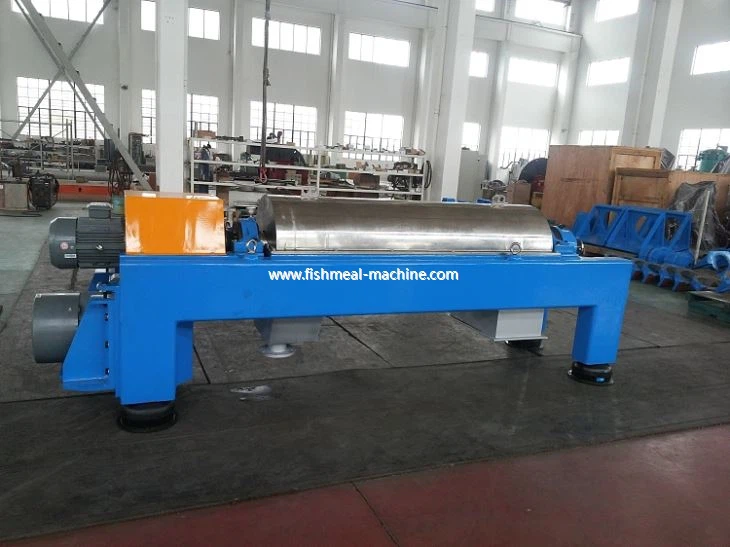
Due to its complex design and precision engineering, a Tricanter is a delicate and expensive piece of equipment. It typically consists of a rotating bowl, a conveyor, and various control systems. The size and weight of a Tricanter can vary significantly depending on its capacity and application, ranging from relatively small units that can be transported on a pallet to large industrial models that require specialized transportation methods.
Pre - Transport Preparation
Inspection and Maintenance
Before transportation, a thorough inspection of the Tricanter is crucial. Check for any signs of damage, loose parts, or wear and tear. Ensure that all moving parts are properly lubricated and that the electrical and control systems are in good working condition. Any issues should be addressed before the Tricanter is loaded for transport to prevent further damage during transit.
Cleaning
Clean the Tricanter to remove any residual materials from previous operations. This not only helps to prevent corrosion but also reduces the risk of contamination during transportation. Pay special attention to the interior of the bowl and the conveyor, as these areas can accumulate debris.
Disassembly (if necessary)
In some cases, it may be necessary to disassemble the Tricanter into smaller components for easier transportation. This is especially true for larger models or when shipping overseas. However, disassembly should be done carefully, following the manufacturer's guidelines. Keep track of all the parts and label them clearly to ensure easy reassembly at the destination.
Documentation
Gather all the necessary documentation for the Tricanter, including the user manual, maintenance records, and any certificates of compliance. This documentation will be useful for customs clearance and for the recipient to understand the proper operation and maintenance of the equipment.
Choosing the Right Transportation Method
Road Transport
For local or regional deliveries, road transport is often the most convenient option. However, it's important to choose a reliable carrier with experience in transporting heavy and oversized equipment. The carrier should have the appropriate trucks and trailers, as well as the necessary permits for transporting large loads.
When using road transport, ensure that the Tricanter is properly secured on the trailer. Use straps, chains, or other securing devices to prevent movement during transit. If the Tricanter is disassembled, make sure that all the components are packed securely and that they are not at risk of shifting or colliding with each other.
Rail Transport
Rail transport can be a cost - effective option for long - distance domestic shipments. It offers a relatively stable and secure mode of transportation, especially for heavy and bulky items. However, rail transport may require additional handling at the loading and unloading points, so it's important to coordinate with the rail carrier and ensure that the Tricanter is properly protected during these operations.
Sea Transport
For international shipments, sea transport is often the preferred option. When shipping by sea, the Tricanter can be transported in a container or as break - bulk cargo. If using a container, choose the appropriate size and type of container based on the dimensions and weight of the Tricanter. Make sure the container is properly sealed and that the Tricanter is secured inside to prevent damage from movement during the voyage.
If shipping as break - bulk cargo, the Tricanter will be loaded directly onto the ship's deck or in the hold. In this case, it's crucial to work with a freight forwarder who has experience in handling heavy and specialized equipment. The freight forwarder can arrange for proper stowage and lashing of the Tricanter to ensure its safety during the journey.
Air Transport
Air transport is the fastest option but also the most expensive. It's typically used for urgent deliveries or when the Tricanter needs to be transported over long distances quickly. However, due to the size and weight limitations of aircraft, air transport may only be suitable for smaller Tricanter models or disassembled components.
Packaging
Proper packaging is essential to protect the Tricanter during transportation. Use high - quality packaging materials such as wooden crates, foam padding, and plastic sheeting. The packaging should be designed to absorb shock and vibration and to prevent moisture and dust from entering.
If the Tricanter is disassembled, each component should be individually packed and labeled. Place smaller parts in sealed containers or bags to prevent loss. The packaging should also be clearly marked with the destination address, handling instructions, and any other relevant information.

Loading and Unloading
Loading
When loading the Tricanter, use appropriate lifting equipment such as cranes or forklifts. Make sure that the lifting points on the Tricanter are properly identified and that the lifting equipment is rated for the weight of the load. The Tricanter should be lifted slowly and carefully to avoid sudden movements that could cause damage.
During loading, ensure that the Tricanter is placed in the correct position on the transport vehicle or container. If necessary, use blocking and bracing to prevent movement during transit.
Unloading
Unloading should be carried out with the same level of care as loading. At the destination, use the appropriate lifting equipment and follow the same safety procedures. Once the Tricanter is unloaded, inspect it for any signs of damage during transit. If any damage is found, document it immediately and notify the carrier and the insurance company.
Insurance
It's highly recommended to purchase insurance for the Tricanter during transportation. This will provide financial protection in case of damage, loss, or theft. Work with an insurance provider who has experience in insuring heavy and specialized equipment. Make sure to understand the terms and conditions of the insurance policy, including the coverage limits and any exclusions.
Coordination and Communication
Effective coordination and communication are key to a successful transportation process. Keep in touch with the carrier, the freight forwarder (if applicable), and the recipient throughout the journey. Provide them with regular updates on the status of the shipment and address any concerns or issues promptly.
Contact for Purchase and Consultation
If you're interested in purchasing a Tricanter or need more information about our products and transportation services, please feel free to reach out to us. We're here to assist you with all your Tricanter - related needs, from selection to delivery. Our team of experts can provide you with detailed advice on the best transportation methods for your specific situation and ensure a smooth and hassle - free experience.
References
- Manufacturer's manuals and guidelines for Tricanter operation and maintenance.
- Industry standards for transporting heavy and specialized equipment.
- Experience and knowledge gained from previous Tricanter transportation projects.