

As a supplier of Tricanters, I'm well - versed in the outstanding chemical resistance properties of these remarkable machines. Tricanters are sophisticated separation devices widely utilized in numerous industries, from food and beverage to petrochemical and wastewater treatment. Their chemical resistance is a critical factor that determines their efficiency, durability, and overall performance in handling various substances.
Let's first understand what a Tricanter is. A Tricanter is a centrifuge that can simultaneously separate three phases: a light liquid phase, a heavy liquid phase, and a solid phase. This unique ability makes it an invaluable asset in processes where the separation of multiple components is required.
Chemical Resistance Mechanisms
The chemical resistance of Tricanters primarily depends on the materials used in their construction. Most Tricanters are made with high - quality stainless steels, such as AISI 316L. Stainless steel has excellent corrosion resistance due to the presence of chromium in its alloy composition. Chromium forms a passive oxide layer on the surface of the steel when exposed to oxygen. This layer acts as a barrier, preventing further oxidation and chemical attack from aggressive substances.
Another material that is often used to enhance chemical resistance is special coatings. These coatings can be applied to the internal surfaces of the Tricanter, creating an additional protective layer. Some common coatings include epoxy - based coatings, which are known for their resistance to acids, alkalis, and solvents. The choice of coating depends on the specific chemicals that the Tricanter will encounter in its application.
Resistance to Acids
Tricanters made of AISI 316L stainless steel can withstand a wide range of acids. For example, they can resist weak to medium - strength sulfuric acid solutions. Sulfuric acid is a common industrial chemical used in processes such as metal pickling, fertilizer production, and battery manufacturing. In these applications, the Tricanter's ability to handle sulfuric acid without significant corrosion is crucial for maintaining its structural integrity and separation efficiency.
Hydrochloric acid is another acid that Tricanters may come across. While AISI 316L has some resistance to dilute hydrochloric acid, in more concentrated solutions or at higher temperatures, the passive layer on the stainless steel can be compromised. In such cases, the use of a suitable coating or a more corrosion - resistant alloy may be necessary.
Resistance to Alkalis
Alkalis, such as sodium hydroxide and potassium hydroxide, are also commonly encountered in industrial processes. Tricanters made of AISI 316L stainless steel generally have good resistance to alkalis at moderate concentrations and temperatures. In the pulp and paper industry, for instance, the separation of different phases in the pulping process often involves the use of alkaline solutions. The Tricanter's ability to resist these alkalis ensures reliable operation and long - term performance.
However, at high concentrations and elevated temperatures, alkalis can cause stress - corrosion cracking in stainless steel. To mitigate this risk, proper design considerations, such as reducing stress points and using appropriate heat treatment, are essential. Additionally, the use of coatings or alternative materials can further enhance the Tricanter's resistance to alkalis in harsh environments.
Resistance to Organic Solvents
Organic solvents are widely used in industries such as pharmaceuticals, paints, and adhesives. Tricanters need to be able to handle these solvents without being damaged. AISI 316L stainless steel has a certain degree of resistance to many common organic solvents, such as ethanol, acetone, and toluene.
For more aggressive solvents, such as chlorinated solvents, the chemical resistance of the Tricanter is more challenging. Chlorinated solvents can cause pitting corrosion and stress - corrosion cracking in stainless steel. In such cases, special materials or coatings need to be selected. For example, some Tricanters may use Hastelloy alloys, which have superior resistance to chlorinated solvents compared to stainless steel.
Impact of Chemical Resistance on Performance
The chemical resistance of Tricanters has a direct impact on their performance and longevity. When a Tricanter is exposed to corrosive chemicals, it can experience a range of problems, including reduced separation efficiency, increased wear and tear on components, and even structural failure.
Reduced separation efficiency occurs when the internal surfaces of the Tricanter are corroded. Corrosion can roughen the surfaces, which disrupts the smooth flow of the phases being separated. This can lead to incomplete separation and lower - quality end products.
Increased wear and tear on components is another consequence of poor chemical resistance. Corroded parts may need to be replaced more frequently, which increases maintenance costs and downtime. Structural failure is the most severe outcome, which can result in costly repairs and even pose safety hazards.
Case Studies
Let's look at a few case studies to illustrate the importance of chemical resistance in Tricanter applications. In a food processing plant, a Tricanter is used to separate oil, water, and solids from the production waste. The waste contains small amounts of organic acids and salts. The Tricanter made of AISI 316L stainless steel has been operating smoothly for several years, thanks to its good chemical resistance. The separation efficiency has remained high, and the maintenance requirements have been minimal.
In a petrochemical refinery, a Tricanter is used to separate different hydrocarbon phases and remove solids from the process stream. The stream contains various corrosive chemicals, including sulfur - containing compounds and acidic by - products. To ensure the long - term performance of the Tricanter, a special alloy lining and a corrosion - resistant coating were applied. This has significantly extended the service life of the Tricanter and reduced the frequency of component replacements.
Conclusion
In conclusion, the chemical resistance properties of Tricanters are of utmost importance in various industrial applications. The choice of materials, such as stainless steel and special coatings, plays a crucial role in determining the Tricanter's ability to withstand different chemicals. Understanding the specific chemical environment in which the Tricanter will operate is essential for selecting the appropriate materials and ensuring optimal performance.
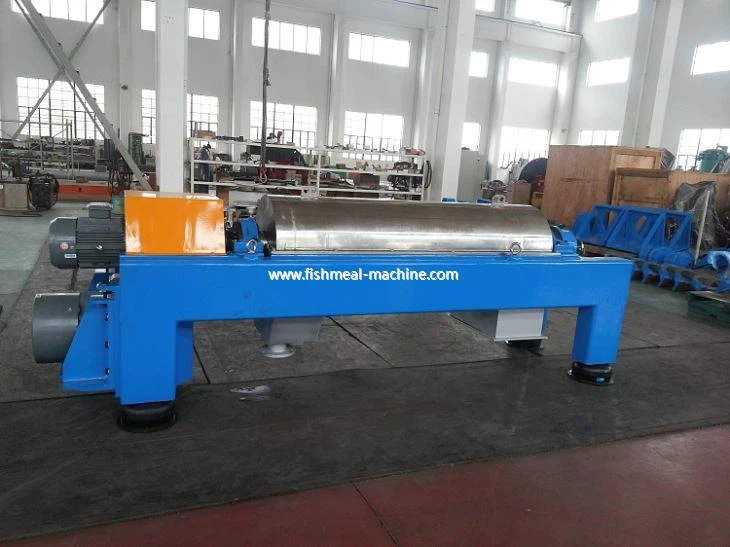

If you are in the market for a Tricanter and need a solution that can handle your specific chemical challenges, we are here to help. Our team of experts can provide you with detailed information about the chemical resistance properties of our Tricanters and recommend the best option for your application. Contact us today to start a procurement discussion and find the perfect Tricanter for your needs.
References
- ASM Handbook Volume 13A: Corrosion: Fundamentals, Testing, and Protection
- Perry's Chemical Engineers' Handbook