

A high - efficiency oil separator is a crucial component in various industrial processes, especially those related to oil and gas, manufacturing, and environmental protection. As a supplier of oil separators, I have witnessed firsthand the importance of these devices and the features that set high - efficiency models apart. In this blog, I will delve into the key features of a high - efficiency oil separator.
1. High Separation Efficiency
The most fundamental feature of a high - efficiency oil separator is its ability to achieve a high degree of separation between oil and other substances, such as water or solid particles. This is typically measured by the separation efficiency, which is the percentage of oil removed from the mixture. High - efficiency separators can achieve separation efficiencies of over 99%.
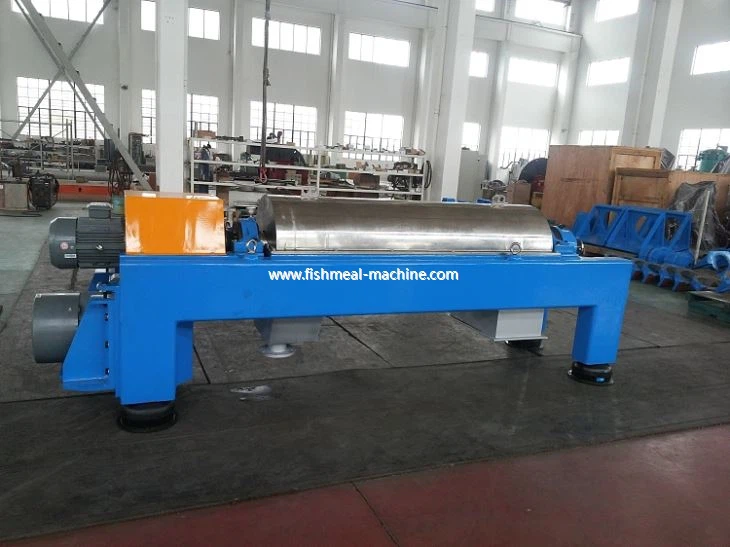
Advanced separation technologies are employed to achieve such high efficiencies. For example, some oil separators use centrifugal force to separate oil from water. Centrifugal separators spin the mixture at high speeds, causing the denser water to move towards the outer wall of the separator while the lighter oil collects in the center. This Tricanter is a type of centrifugal separator that can separate three phases - oil, water, and solids - simultaneously, providing a highly efficient separation solution.
2. Robust Construction
A high - efficiency oil separator needs to be built to last. It should be able to withstand the harsh operating conditions commonly found in industrial settings, including high pressures, high temperatures, and corrosive substances.
The materials used in the construction of the separator are of utmost importance. Stainless steel is a popular choice due to its high strength, corrosion resistance, and durability. The internal components, such as the separation elements and the housing, are designed to be sturdy and resistant to wear and tear. Additionally, the separator should be well - sealed to prevent any leakage of the oil or other substances, which could not only lead to environmental pollution but also reduce the efficiency of the separation process.

3. Low Maintenance Requirements
In an industrial environment, downtime can be extremely costly. Therefore, a high - efficiency oil separator should have low maintenance requirements. This means that it should be designed in a way that makes it easy to clean, inspect, and replace parts.
Some modern oil separators are equipped with self - cleaning mechanisms. For example, they may have automatic back - flushing systems that can remove accumulated dirt and debris from the separation elements without the need for manual intervention. This not only reduces the maintenance time but also extends the lifespan of the separator.
4. Compact Design
Space is often a limited resource in industrial facilities. A high - efficiency oil separator should have a compact design that allows it to be easily integrated into existing systems without taking up too much space.
Compact separators are also more cost - effective to install and transport. They can be designed to fit into tight spaces, such as between other equipment or in small rooms. Additionally, a compact design can reduce the overall footprint of the oil separation system, which is beneficial for facilities with limited floor space.
5. High Flow Rate Capacity
In many industrial applications, a large volume of oil - containing mixtures needs to be processed in a short period of time. Therefore, a high - efficiency oil separator should have a high flow rate capacity.
The flow rate capacity of a separator is determined by its design and the size of its internal components. High - capacity separators are typically larger in size but are designed to handle large volumes of fluid without sacrificing separation efficiency. They can be customized to meet the specific flow rate requirements of different applications.
6. Energy Efficiency
Energy consumption is a significant cost factor in industrial operations. A high - efficiency oil separator should be energy - efficient, which means that it should use less energy to achieve the same level of separation compared to other models.
Some oil separators use advanced technologies to reduce energy consumption. For example, they may use variable - speed drives to adjust the speed of the separator according to the flow rate and the characteristics of the mixture. This can significantly reduce the energy consumption of the separator, especially during periods of low flow.
7. Intelligent Control System
An intelligent control system is another important feature of a high - efficiency oil separator. This system allows for real - time monitoring and adjustment of the separator's operation, ensuring optimal performance under different conditions.
The control system can monitor various parameters, such as the flow rate, pressure, temperature, and separation efficiency. It can then adjust the operating parameters of the separator, such as the speed of the motor or the opening of the valves, to maintain the desired level of performance. Additionally, the control system can provide alerts and notifications in case of any abnormal conditions, such as a blockage or a malfunction, allowing for timely maintenance and repair.
8. Customizability
Different industrial applications have different requirements for oil separation. A high - efficiency oil separator should be customizable to meet these specific needs.
This may include customizing the size, shape, and capacity of the separator, as well as the type of separation technology used. For example, some applications may require a separator that is specifically designed to handle high - viscosity oils, while others may need a separator that can operate at high temperatures. As a supplier, we are able to work closely with our customers to understand their requirements and provide customized oil separation solutions.
9. Environmental Friendliness
In today's world, environmental protection is a top priority. A high - efficiency oil separator should be environmentally friendly, which means that it should minimize the impact on the environment during its operation.
This can be achieved in several ways. Firstly, the separator should be designed to achieve a high degree of separation, reducing the amount of oil that is discharged into the environment. Secondly, it should use energy - efficient technologies to reduce its carbon footprint. Additionally, the materials used in the construction of the separator should be recyclable or biodegradable whenever possible.
10. Cost - Effectiveness
Finally, a high - efficiency oil separator should be cost - effective. This means that it should provide a good balance between the initial investment cost and the long - term operating cost.
While high - efficiency separators may have a higher initial cost compared to some lower - quality models, they can save money in the long run due to their lower maintenance requirements, higher separation efficiency, and energy - saving features. As a supplier, we are committed to providing our customers with cost - effective oil separation solutions that meet their needs and budget.
In conclusion, a high - efficiency oil separator is characterized by its high separation efficiency, robust construction, low maintenance requirements, compact design, high flow rate capacity, energy efficiency, intelligent control system, customizability, environmental friendliness, and cost - effectiveness. If you are in the market for an oil separator and are looking for a high - performance solution, I encourage you to contact us for more information. We have a wide range of oil separators to choose from and can provide you with expert advice and support to help you select the right separator for your application.
References
- Smith, J. (2018). Industrial Oil Separation Technologies. Elsevier.
- Johnson, A. (2019). Advances in Oil Separation Systems. Journal of Environmental Engineering.
- Brown, C. (2020). Energy - Efficient Oil Separation for Industrial Applications. Energy Research Journal.