

Hey there! As a supplier of oil separators, I've seen firsthand the importance of safety when using these machines. Oil separators are crucial in various industries, from automotive to manufacturing, as they help in separating oil from other substances. But like any piece of equipment, there are safety precautions you need to take to ensure smooth and risk - free operation.
1. Pre - operation Checks
Before you even think about starting up your oil separator, there are a few key pre - operation checks you should do. First off, inspect the physical condition of the separator. Look for any visible signs of damage, such as cracks in the housing or loose connections. A damaged separator can lead to leaks, which not only waste oil but can also pose a safety hazard.
Check the oil level in the separator. Running the machine with insufficient oil can cause overheating and damage to the internal components. On the flip side, overfilling can lead to spills and reduced efficiency. Refer to the manufacturer's manual for the correct oil level range.
Inspect the electrical connections. Make sure all wires are properly connected and there are no frayed or exposed wires. Faulty electrical connections can lead to short - circuits, which are not only dangerous but can also destroy the separator. If you're not confident in your electrical knowledge, it's best to have a professional electrician do this check.
2. Personal Protective Equipment (PPE)
When operating an oil separator, wearing the right PPE is non - negotiable. Safety glasses are a must. They protect your eyes from any splashes of oil or debris that might occur during the separation process. You don't want oil getting into your eyes; it can cause irritation and even long - term damage.
Gloves are also essential. They protect your hands from the oil, which can be slippery and may contain harmful chemicals. In addition, they can safeguard your hands from sharp edges on the separator or any moving parts.
Wear appropriate clothing. Loose - fitting clothes can get caught in the moving parts of the separator, so opt for snug - fitting work clothes. A safety apron can also be a good idea to protect your body from oil spills.
3. Operating the Oil Separator
Once you've completed the pre - operation checks and are wearing your PPE, it's time to start the separator. Follow the manufacturer's instructions carefully. Each separator model may have slightly different startup procedures, so don't just assume you know how to operate it.
Don't overload the separator. Every oil separator has a maximum capacity, and exceeding this can lead to poor separation efficiency and potential damage to the machine. If you need to process a large amount of oil, do it in batches rather than trying to force it all through at once.
Keep an eye on the separator during operation. Listen for any unusual noises, such as grinding or rattling. These could be signs of a problem, like a loose part or a malfunctioning component. If you notice anything out of the ordinary, stop the machine immediately and investigate the issue.
4. Maintenance and Cleaning
Regular maintenance is key to keeping your oil separator safe and efficient. Follow the maintenance schedule recommended by the manufacturer. This may include tasks like changing the filters, checking the seals, and lubricating the moving parts.
Cleaning the separator is also important. Over time, oil and debris can build up inside the machine, which can affect its performance and increase the risk of malfunctions. Use the appropriate cleaning agents and follow the proper cleaning procedures. Avoid using abrasive materials that could scratch the internal components.
When performing maintenance or cleaning, make sure the separator is turned off and unplugged. This prevents any accidental startups that could cause injury.
5. Emergency Procedures
Even with all the precautions in place, emergencies can still happen. It's important to have a clear set of emergency procedures in place. Know how to shut off the separator quickly in case of a fire, a major leak, or any other serious issue.
Have a fire extinguisher nearby that is suitable for oil fires. Make sure all operators are trained on how to use it. In case of an oil spill, have absorbent materials on hand to clean it up quickly. Spilled oil can create a slippery surface, increasing the risk of slips and falls.
6. Using Advanced Oil Separators like Tricanter
If you're looking for a more advanced oil separation solution, you might want to check out the Tricanter. Tricanters are high - performance oil separators that can handle complex separation tasks. They are designed to separate three phases simultaneously, which can significantly improve the efficiency of your oil separation process.
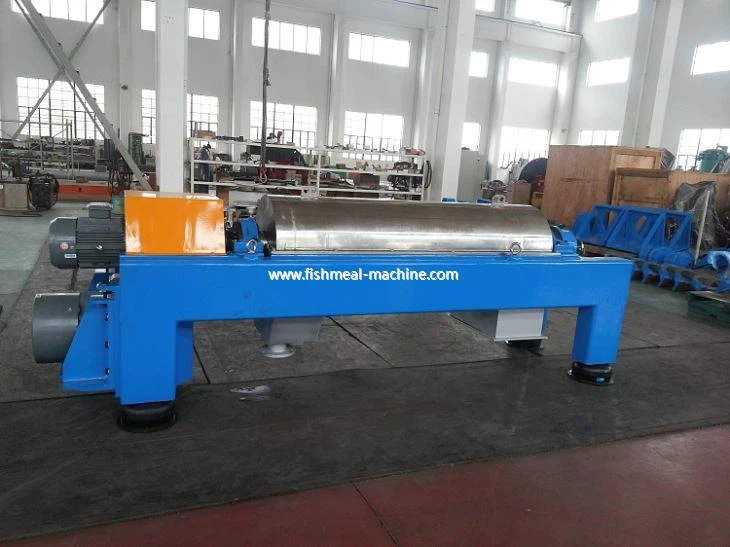

However, when using a Tricanter, all the safety precautions we've discussed still apply. In fact, because of its advanced features and higher complexity, you may need to pay even more attention to pre - operation checks, maintenance, and proper operating procedures.
Conclusion
Using an oil separator safely is all about being prepared and following the right procedures. By doing pre - operation checks, wearing the proper PPE, operating the machine correctly, performing regular maintenance and cleaning, having emergency procedures in place, and being cautious when using advanced models like the Tricanter, you can minimize the risks and ensure a long and productive life for your oil separator.
If you're in the market for an oil separator or need more information on safety and operation, don't hesitate to reach out. We're here to help you make the best choice for your business and ensure that you can use your oil separator safely and effectively.
References
- Manufacturer's manuals for oil separators
- Industry safety guidelines for machinery operation