

Hey there! I'm a supplier of Tricanters, and today I'm super excited to chat with you about the amazing substances that a Tricanter can separate. If you're not familiar with what a Tricanter is, you can check out this link: Tricanter. It's a pretty nifty piece of equipment that plays a crucial role in various industries.
Understanding the Basics of a Tricanter
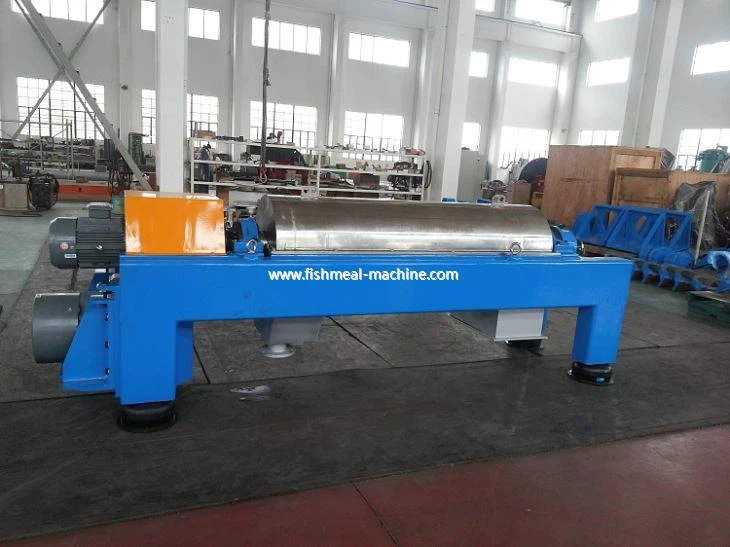
Before we dive into the types of substances it can separate, let's quickly go over how a Tricanter works. A Tricanter is a type of centrifuge. It uses centrifugal force to separate different substances based on their density. The machine has three outlets, which is where the "tri" in Tricanter comes from. These outlets allow it to separate a mixture into three distinct phases simultaneously. This is a huge advantage over traditional centrifuges that can only separate into two phases.
Substances Separated in the Food Industry
Dairy Products
One of the most common applications of Tricanters is in the dairy industry. In milk processing, a Tricanter can separate milk into three main components: cream, skim milk, and solids. Cream has a lower density than skim milk, and the solids, which include things like bacteria, somatic cells, and other impurities, have the highest density. The Tricanter spins the milk at high speeds, and the centrifugal force pushes the heavier solids to the outer wall of the centrifuge bowl, where they are collected and removed through one of the outlets. The cream, being the lightest, collects near the center and is removed through another outlet, while the skim milk is taken out from a third outlet. This separation process is crucial for making various dairy products such as cheese, butter, and yogurt.
Fruit and Vegetable Juices
When it comes to making fruit and vegetable juices, Tricanters are also very useful. They can separate the juice from the pulp and any seeds or other solid particles. For example, in orange juice production, the Tricanter can quickly and efficiently separate the liquid juice from the orange pulp and any seeds that might be present. This not only gives the juice a smooth texture but also helps in preserving its shelf - life by removing potential sources of spoilage. The separated pulp can sometimes be used in other food products or for animal feed, so nothing goes to waste.
Substances Separated in the Chemical Industry
Oil and Water Mixtures
In the chemical industry, one of the most important separations is between oil and water. Many chemical processes involve the use of water and oil - based substances, and at the end of the process, these two need to be separated. A Tricanter can handle this separation with ease. It can also separate any solid particles that might be present in the mixture. For instance, in the production of lubricating oils, there might be water and solid contaminants that need to be removed. The Tricanter spins the mixture, and the heavier water and solid particles are separated from the lighter oil. The oil can then be further refined for use in engines and other machinery, while the water and solids can be disposed of or treated appropriately.
Polymer Solutions
Another application in the chemical industry is the separation of polymers from solvents and other impurities. Polymers are used in a wide range of products, from plastics to synthetic fibers. During the production process, polymers are often dissolved in solvents, and there might be unreacted monomers and other impurities present. A Tricanter can separate the polymer from the solvent and the impurities. The polymer, being heavier, is separated from the lighter solvent and other substances. This purified polymer can then be used to make high - quality plastic products or fibers.
Substances Separated in the Wastewater Treatment Industry
Sludge and Water
In wastewater treatment plants, Tricanters play a vital role in separating sludge from water. Wastewater contains a lot of solid particles and organic matter that form sludge. The Tricanter can separate this sludge from the water, reducing the volume of the sludge and making it easier to handle and dispose of. The separated water can be further treated and reused or discharged into the environment, while the sludge can be processed for energy recovery or used as a soil conditioner in some cases.
Grease and Water
Many industrial and commercial kitchens generate wastewater that contains a significant amount of grease. This grease can cause blockages in sewer systems if not removed properly. A Tricanter can separate the grease from the water in the wastewater. The grease, being lighter than water, is separated and collected, while the water can be sent for further treatment. This helps in keeping the sewer systems clean and also reduces the environmental impact of the wastewater.
Substances Separated in the Mining Industry
Mineral Ores
In the mining industry, Tricanters are used to separate different types of mineral ores from each other and from the gangue (the unwanted rock and other materials). For example, in the processing of copper ore, the Tricanter can separate the copper - rich ore from the other minerals and the gangue. The copper ore, which has a different density compared to the other substances, can be separated using the centrifugal force of the Tricanter. This separation process is crucial for obtaining high - quality copper ore that can be further refined to produce pure copper.
Tailings and Water
After the valuable minerals have been extracted from the ore, there are still tailings (the remaining waste material) and water. A Tricanter can separate the tailings from the water. The separated water can be recycled and reused in the mining process, reducing the overall water consumption. The tailings can be properly disposed of or further processed to extract any remaining valuable minerals.
Why Choose Our Tricanters
As a Tricanter supplier, we take pride in offering high - quality Tricanters that are reliable and efficient. Our machines are designed with the latest technology to ensure optimal separation performance. We have a team of experts who can provide you with technical support and advice on the best Tricanter for your specific application. Whether you're in the food, chemical, wastewater treatment, or mining industry, we have a Tricanter that can meet your needs.
If you're interested in learning more about our Tricanters or would like to discuss a potential purchase, don't hesitate to reach out. We're always happy to have a chat and see how we can help you with your separation needs.

References
- "Centrifugation in the Food Industry" - Food Science Journal
- "Applications of Centrifuges in Chemical Processes" - Chemical Engineering Review
- "Wastewater Treatment Technologies" - Environmental Science Textbook
- "Mining and Mineral Processing Handbook" - Mining Industry Publication