

Can a tubular condenser be used in pharmaceutical industries?
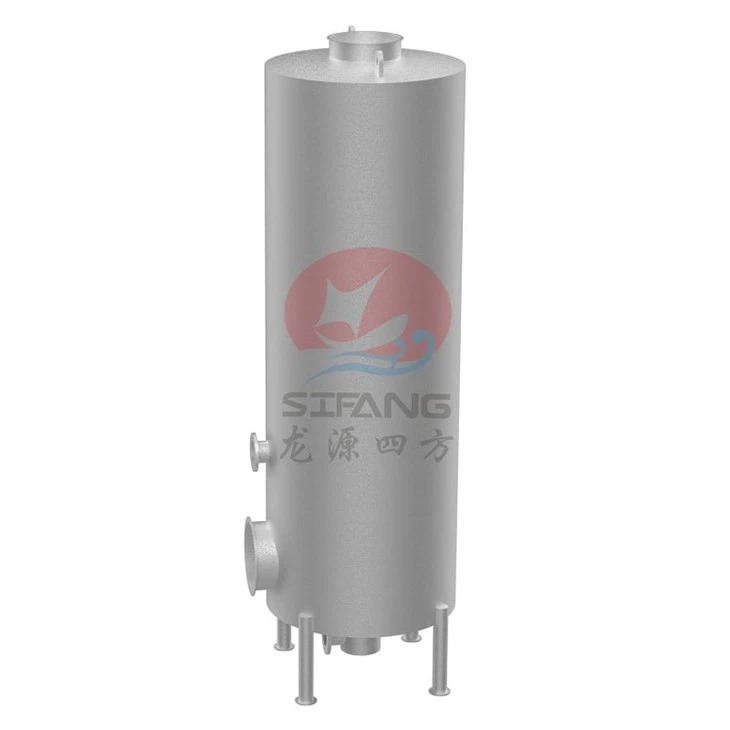
In the pharmaceutical industry, the demand for high - quality and reliable equipment is of utmost importance. One such piece of equipment that has drawn significant attention is the tubular condenser. As a supplier of tubular condensers, I am often asked about the suitability of these condensers in pharmaceutical applications. In this blog, we will explore the potential of tubular condensers in the pharmaceutical industries, looking at their features, benefits, and limitations.
Features of Tubular Condensers
Tubular condensers are heat exchangers that operate on the principle of condensing vapors into liquids by transferring heat from the vapor to a cooling medium. They consist of a bundle of tubes enclosed in a shell. The vapor to be condensed flows either inside the tubes (tube - side) or outside the tubes (shell - side), while the cooling medium, usually water or a refrigerant, flows through the other side.
One of the key features of tubular condensers is their high heat transfer efficiency. The large surface area provided by the tubes allows for effective heat exchange between the vapor and the cooling medium. This efficiency is crucial in pharmaceutical processes where precise temperature control is required. For example, in the distillation of pharmaceutical solvents, a tubular condenser can quickly condense the vaporized solvent back into a liquid state, ensuring the purity and quality of the final product.
Another important feature is their modular design. Tubular condensers can be easily customized to meet the specific requirements of different pharmaceutical processes. The number of tubes, tube diameter, and tube length can all be adjusted according to the heat transfer load and the available space in the production facility. This flexibility makes tubular condensers a versatile option for various pharmaceutical applications.
Benefits of Using Tubular Condensers in Pharmaceutical Industries
Product Purity
In the pharmaceutical industry, product purity is non - negotiable. Tubular condensers can help maintain high levels of purity by preventing cross - contamination. Since the vapor and the cooling medium are separated by the tube walls, there is no direct contact between them. This reduces the risk of impurities from the cooling medium entering the pharmaceutical product. For instance, in the production of injectable drugs, the use of a tubular condenser ensures that the condensed product remains free from any contaminants that could be present in the cooling water.
Energy Efficiency
Energy consumption is a major concern in pharmaceutical manufacturing. Tubular condensers are designed to be energy - efficient. Their high heat transfer efficiency means that less energy is required to achieve the desired condensation. This not only reduces the operating costs but also aligns with the industry's growing focus on sustainable manufacturing. By using a tubular condenser, pharmaceutical companies can lower their carbon footprint and contribute to a greener environment.
Process Flexibility
Pharmaceutical processes often involve a variety of chemicals and operating conditions. Tubular condensers can handle a wide range of temperatures, pressures, and flow rates. Whether it is a low - temperature condensation process for heat - sensitive drugs or a high - pressure process for the synthesis of certain active pharmaceutical ingredients (APIs), tubular condensers can be designed to meet the specific requirements. This flexibility allows pharmaceutical manufacturers to adapt to changing production needs and develop new products more efficiently.
Applications in Pharmaceutical Industries
Solvent Recovery
Solvent recovery is a common process in pharmaceutical manufacturing. Many pharmaceutical processes use organic solvents, which need to be recovered and reused to reduce costs and environmental impact. Tubular condensers play a vital role in this process. They can condense the vaporized solvents during distillation, allowing them to be collected and recycled. For example, in the production of antibiotics, the solvents used in the extraction process can be recovered using a tubular condenser, saving both resources and money.
Reaction Cooling
In chemical reactions involved in pharmaceutical synthesis, controlling the reaction temperature is critical. Tubular condensers can be used to remove the heat generated during exothermic reactions. By condensing the vapors produced in the reaction, they help maintain a stable reaction temperature, which is essential for the yield and quality of the final product. For instance, in the synthesis of some painkillers, a tubular condenser can be used to cool the reaction mixture and prevent unwanted side reactions.
Air Conditioning and Ventilation
In pharmaceutical cleanrooms, maintaining a controlled environment is crucial to prevent contamination. Tubular condensers are used in air - conditioning systems to cool and dehumidify the air. They help remove the heat and moisture from the air, creating a clean and comfortable working environment for pharmaceutical production. This is especially important in areas where strict temperature and humidity control are required, such as the manufacturing of vaccines.
Limitations and Considerations
While tubular condensers offer many advantages in pharmaceutical industries, there are also some limitations and considerations.
Fouling
Over time, fouling can occur on the tube surfaces of tubular condensers. Fouling is the accumulation of deposits such as scale, corrosion products, and biological growth. This can reduce the heat transfer efficiency of the condenser and increase the pressure drop across the tubes. In the pharmaceutical industry, fouling can also pose a risk of product contamination. Regular cleaning and maintenance are required to prevent fouling and ensure the proper operation of the condenser.
Initial Investment
The initial cost of purchasing and installing a tubular condenser can be relatively high. Pharmaceutical companies need to consider the upfront investment along with the long - term benefits. However, the energy savings and improved product quality over the lifespan of the condenser can often offset the initial cost.
Compatibility with Pharmaceutical Products
It is essential to ensure that the materials used in the construction of the tubular condenser are compatible with the pharmaceutical products. Some pharmaceutical substances may be corrosive or reactive with certain metals or alloys. Therefore, careful selection of materials such as stainless steel or special coatings is necessary to prevent any chemical reactions that could affect the quality of the product.
Comparison with Other Condenser Types
In the pharmaceutical industry, there are other types of condensers available, such as plate condensers and shell - and - tube condensers. Plate condensers have a compact design and high heat transfer coefficients, but they may be more prone to fouling and are less suitable for high - pressure applications. Shell - and - tube condensers, like tubular condensers, are also widely used. However, tubular condensers offer better flexibility in terms of customization and can be more easily adapted to different pharmaceutical processes.

Our Tubular Condenser Offerings
As a supplier of tubular condensers, we offer a wide range of products that are specifically designed for pharmaceutical applications. Our Tubular Condenser is made from high - quality materials that are resistant to corrosion and meet the strict hygiene standards of the pharmaceutical industry. We also provide customization services to ensure that our condensers can meet the unique requirements of each customer.
In addition to tubular condensers, we also offer related products such as Deodorizing Tower with Pump and Waste Vapors Cooling Tower. These products can be integrated into a complete pharmaceutical production system to improve the overall efficiency and environmental performance.
Conclusion
In conclusion, tubular condensers can indeed be used in pharmaceutical industries. Their high heat transfer efficiency, product purity assurance, energy efficiency, and process flexibility make them a valuable asset in various pharmaceutical processes such as solvent recovery, reaction cooling, and air - conditioning. Although there are some limitations such as fouling and initial investment, the benefits far outweigh the drawbacks.
If you are in the pharmaceutical industry and are looking for a reliable and efficient tubular condenser, we would be more than happy to discuss your specific needs. Our team of experts can provide you with detailed information and solutions tailored to your requirements. Contact us today to start the procurement negotiation and take your pharmaceutical production to the next level.
References
- Incropera, F. P., & DeWitt, D. P. (2002). Fundamentals of Heat and Mass Transfer. John Wiley & Sons.
- Perry, R. H., & Green, D. W. (1997). Perry's Chemical Engineers' Handbook. McGraw - Hill.
- Pharmaceutical Engineering: Principles and Practices. Edited by S. A. Rhodes and C. T. J. Cross. Pharmaceutical Press.