

Hey there! As a supplier of Tricanters, I've been getting a lot of questions lately about how to improve the performance of these nifty machines. So, I thought I'd put together this blog post to share some tips and tricks that I've picked up over the years.
First off, let's talk a bit about what a Tricanter is. For those of you who aren't familiar, a Tricanter is a type of centrifuge that's used to separate three different phases - usually a solid phase, a heavy liquid phase, and a light liquid phase. They're commonly used in industries like food processing, oil and gas, and wastewater treatment.
One of the most important things you can do to improve the performance of your Tricanter is to make sure it's properly sized for your application. If the machine is too small, it won't be able to handle the volume of material you're trying to process, which can lead to poor separation efficiency and even damage to the equipment. On the other hand, if it's too large, you'll be wasting energy and money on a machine that's bigger than you need. So, take the time to carefully evaluate your process requirements and choose a Tricanter that's the right size for the job.
Another key factor in Tricanter performance is the feed conditions. The quality and consistency of the feed material can have a big impact on how well the machine separates the different phases. For example, if the feed contains a lot of large particles or debris, it can clog the machine and reduce its efficiency. To avoid this, make sure to pre - screen your feed material to remove any large solids before it enters the Tricanter.
In addition, the temperature and viscosity of the feed can also affect performance. Most Tricanters work best within a certain temperature range, so it's important to control the temperature of the feed to ensure optimal operation. Similarly, if the feed is too viscous, it can be difficult for the machine to separate the phases effectively. You may need to heat the feed or add a thinning agent to reduce its viscosity.

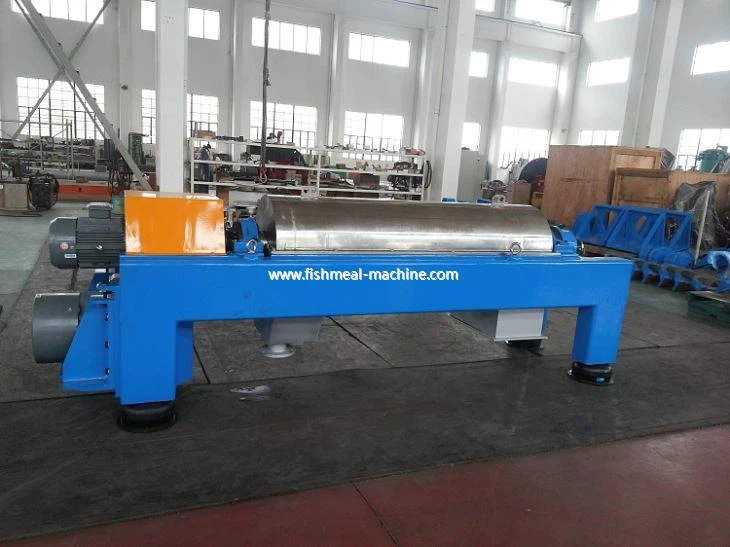
The speed of the Tricanter is another crucial parameter. The rotational speed of the centrifuge bowl determines the centrifugal force acting on the feed material, which in turn affects the separation efficiency. Generally, a higher speed will result in better separation, but there's a limit to how fast the machine can go. Running the Tricanter at too high a speed can cause excessive wear and tear on the equipment and may even lead to mechanical failure. So, it's important to find the right balance and operate the machine at the optimal speed for your specific application.
Regular maintenance is also essential for keeping your Tricanter in top - notch condition. Just like any other piece of equipment, a Tricanter needs to be cleaned, lubricated, and inspected on a regular basis. Over time, solids can build up inside the machine, which can reduce its efficiency and cause damage to the components. Make sure to follow the manufacturer's recommended maintenance schedule and clean the machine thoroughly after each use.
When it comes to lubrication, using the right type of lubricant is crucial. The wrong lubricant can cause corrosion and damage to the bearings and other moving parts. Check the manufacturer's specifications to ensure you're using the correct lubricant and change it at the recommended intervals.
Inspecting the Tricanter for signs of wear and damage is also important. Look for things like cracks in the centrifuge bowl, worn bearings, or loose bolts. Catching these issues early can prevent more serious problems down the road and save you a lot of time and money on repairs.
The design of the Tricanter itself can also play a role in its performance. Some newer models come with advanced features like adjustable weirs, which allow you to fine - tune the separation process. These weirs can be adjusted to control the height of the liquid layers inside the machine, which can improve the separation of the different phases.
Another design feature to look for is a self - cleaning mechanism. Some Tricanters are equipped with a system that automatically removes solids from the machine during operation, which can reduce downtime for cleaning and maintenance.
If you're having trouble getting the performance you want from your Tricanter, don't be afraid to consult with the manufacturer or a technical expert. They can provide you with more detailed advice and may be able to suggest modifications or upgrades to improve the machine's performance.
Now, if you're in the market for a new Tricanter or looking to upgrade your existing one, I'd love to have a chat with you. As a supplier, I have a wide range of Tricanters to choose from, and I can help you find the perfect machine for your specific needs. Whether you're in the food industry, oil and gas, or any other field that requires phase separation, I'm confident I can provide you with a high - quality solution.
Contact me if you're interested in learning more about our Tricanters or if you have any questions about improving the performance of your existing machine. I'm here to help you get the most out of your investment and ensure that your Tricanter runs smoothly and efficiently for years to come.
References
- General centrifuge operation and maintenance guidelines from industry handbooks.
- Manufacturer's manuals for Tricanter equipment.