

Using an oil separator can be a game - changer for many industries, but it's not all smooth sailing. As an oil separator supplier, I've seen firsthand the challenges that come with these essential pieces of equipment. Let's dive into what you might face when using an oil separator.
1. Maintenance and Cleaning
One of the biggest headaches with oil separators is maintenance and cleaning. Over time, oil, debris, and other contaminants build up inside the separator. This buildup can clog the system, reducing its efficiency and potentially causing it to break down.
For example, in industrial settings where large volumes of oil - contaminated water are processed, the separator can quickly become filled with sludge. If not cleaned regularly, this sludge can harden and make the cleaning process even more difficult. You might need to shut down the entire operation to perform a thorough cleaning, which can lead to significant downtime and lost productivity.
Moreover, cleaning an oil separator isn't a simple task. It often requires specialized tools and chemicals. You have to be careful not to damage the internal components while removing the buildup. And let's not forget about the disposal of the removed waste. It has to be done in an environmentally friendly way, which means following strict regulations.
2. Efficiency and Performance
Another challenge is ensuring that the oil separator maintains its efficiency and performance over time. The efficiency of an oil separator depends on several factors, such as the type of oil, the flow rate of the incoming fluid, and the temperature.
Different types of oil have different viscosities and densities. For instance, heavy crude oil is much more viscous than light refined oil. An oil separator that works well for light oil might struggle to separate heavy oil effectively. This means you might need to adjust the settings of the separator or even use a different type of separator altogether.
The flow rate also plays a crucial role. If the flow rate is too high, the separator might not have enough time to separate the oil from the water properly. On the other hand, if the flow rate is too low, it can lead to sedimentation and clogging. Temperature can also affect the performance. In cold temperatures, oil becomes more viscous, making it harder to separate.
3. Compatibility with Different Fluids
In many real - world scenarios, the fluid that needs to be separated contains more than just oil and water. It can have other chemicals, solids, and even microorganisms. This can pose a significant challenge for oil separators.
Some chemicals can react with the materials used in the separator, causing corrosion or damage. Solids can wear down the internal components, reducing the lifespan of the equipment. Microorganisms can form biofilms inside the separator, which can further reduce its efficiency.
For example, in the food processing industry, the wastewater might contain fats, oils, and greases (FOG), as well as food particles and cleaning agents. An oil separator designed for simple oil - water separation might not be able to handle this complex mixture effectively. You need a separator that is specifically designed to deal with these additional contaminants.
4. Regulatory Compliance
Regulatory compliance is a major concern when using an oil separator. Different industries and regions have different regulations regarding the discharge of oil - contaminated water. These regulations are in place to protect the environment and public health.
If your oil separator doesn't meet the regulatory standards, you can face hefty fines and legal issues. You need to ensure that your separator is properly sized, maintained, and monitored to meet the required effluent quality.
For example, in the maritime industry, ships are required to have oil separators that meet the International Maritime Organization (IMO) standards. These standards specify the maximum allowable oil content in the discharged water. Failure to comply can result in penalties and restrictions on the ship's operations.
5. Cost - Effectiveness
Cost - effectiveness is always a consideration. Buying an oil separator is just the first step. You also have to factor in the cost of installation, maintenance, and operation.
High - quality oil separators can be quite expensive. And if you need a specialized separator to handle complex fluids or high - flow rates, the cost can be even higher. Additionally, the ongoing costs of maintenance, such as cleaning, replacement parts, and chemicals, can add up over time.
You also need to consider the energy consumption of the separator. Some separators require a lot of energy to operate, which can increase your utility bills. So, finding a balance between performance and cost is crucial.
Solutions and Alternatives
Despite these challenges, there are solutions and alternatives available. For maintenance and cleaning, you can invest in self - cleaning oil separators. These separators are designed to automatically remove the buildup, reducing the need for manual cleaning and downtime.
To improve efficiency and performance, you can use advanced control systems that can adjust the separator's settings based on the incoming fluid characteristics. For example, some systems can monitor the flow rate, temperature, and oil content in real - time and make adjustments accordingly.

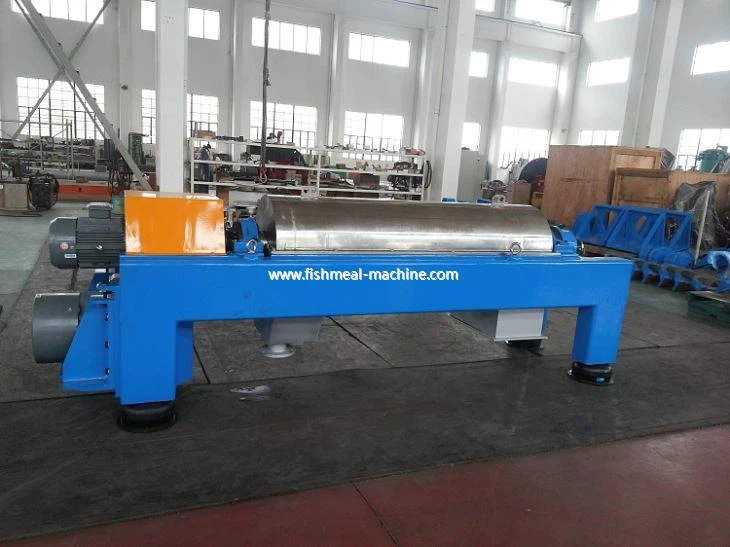
When it comes to compatibility with different fluids, you might want to consider a Tricanter. A tricanter is a type of centrifuge that can separate three phases (oil, water, and solids) simultaneously. This makes it suitable for handling complex mixtures.
To ensure regulatory compliance, you can work with a professional who can help you choose the right separator and ensure that it is installed and maintained correctly. And for cost - effectiveness, you can compare different models and suppliers to find the best value for your money.
If you're facing any of these challenges with your oil separator or are looking to invest in a new one, don't hesitate to reach out. As an oil separator supplier, I have the expertise and experience to help you find the right solution for your specific needs. Whether it's choosing the right type of separator, dealing with maintenance issues, or ensuring regulatory compliance, I'm here to assist you. Contact me to start a discussion about your requirements and let's find the best oil separator solution together.
References
- "Oil Separator Handbook" - Industry publication
- "Environmental Regulations for Oil Discharge" - Government regulatory documents
- "Advanced Control Systems for Oil Separators" - Technical research papers