

As a seasoned Tricanter supplier, I've witnessed firsthand the pivotal role that separation efficiency plays in the performance of these remarkable machines. Tricanters, also known as three-phase separators, are widely used in various industries, including food processing, chemical, and oil and gas, to separate mixtures into three distinct phases: solids, heavy liquid, and light liquid. The ability to achieve high separation efficiency is crucial for optimizing production processes, reducing costs, and ensuring product quality. In this blog post, I'll delve into the key factors that affect the separation efficiency of Tricanters and discuss how understanding these factors can help you make informed decisions when selecting and operating these machines.
Feed Characteristics
The characteristics of the feed material have a significant impact on the separation efficiency of a Tricanter. Factors such as particle size, density, viscosity, and concentration can all influence the separation process.
Particle Size
The size of the particles in the feed material is one of the most critical factors affecting separation efficiency. Larger particles are generally easier to separate than smaller ones because they settle more quickly under the influence of gravity or centrifugal force. In a Tricanter, the separation of solids from liquids occurs primarily through sedimentation. If the particles are too small, they may not settle fast enough and can remain suspended in the liquid phase, reducing the separation efficiency. Therefore, it's essential to ensure that the feed material has an appropriate particle size distribution for the specific Tricanter being used. In some cases, pre-treatment processes such as screening or grinding may be necessary to adjust the particle size.
Density
The density difference between the phases in the feed material is another important factor. A larger density difference between the solids, heavy liquid, and light liquid phases facilitates better separation. In a Tricanter, the centrifugal force generated by the rotating bowl causes the denser phases to move towards the outer wall of the bowl, while the less dense phases collect towards the center. The greater the density difference, the more distinct the separation between the phases will be. For example, in the separation of oil, water, and solids, the significant density difference between oil and water allows for relatively easy separation. However, if the density difference is small, the separation process may be more challenging, and additional measures may be required to enhance efficiency.
Viscosity
The viscosity of the feed material can also affect the separation efficiency. High-viscosity fluids can impede the movement of particles and phases within the Tricanter, making it more difficult for them to separate. Viscous fluids may also cause clogging in the machine, reducing its throughput and performance. To improve separation efficiency in high-viscosity applications, it may be necessary to heat the feed material to reduce its viscosity or use additives to modify its rheological properties.
Concentration
The concentration of solids and liquids in the feed material is another factor to consider. If the feed concentration is too high, the Tricanter may become overloaded, leading to poor separation efficiency and potential damage to the machine. On the other hand, if the concentration is too low, the throughput of the Tricanter may be reduced, resulting in lower productivity. It's important to maintain an optimal feed concentration to ensure efficient operation of the Tricanter. This can often be achieved through proper feed control and pre-treatment processes.
Operating Conditions
The operating conditions of a Tricanter, such as rotational speed, feed rate, and differential speed, also have a significant impact on separation efficiency.
Rotational Speed
The rotational speed of the Tricanter bowl determines the magnitude of the centrifugal force acting on the feed material. A higher rotational speed generates a greater centrifugal force, which can improve the settling rate of particles and enhance the separation efficiency. However, increasing the rotational speed also has its limitations. Excessive rotational speed can cause excessive wear on the machine, increase energy consumption, and may even lead to instability and vibration. Therefore, it's important to select an appropriate rotational speed based on the specific characteristics of the feed material and the design of the Tricanter.
Feed Rate
The feed rate, or the flow rate of the feed material into the Tricanter, is another critical operating parameter. If the feed rate is too high, the retention time of the material in the Tricanter may be insufficient for effective separation to occur. This can result in poor separation efficiency and carryover of solids or liquids into the wrong phases. Conversely, if the feed rate is too low, the throughput of the Tricanter may be reduced, leading to lower productivity. It's essential to find the optimal feed rate that balances separation efficiency and throughput. This may require some experimentation and adjustment based on the specific application.
Differential Speed
In a Tricanter, the differential speed refers to the difference in rotational speed between the bowl and the screw conveyor. The screw conveyor is responsible for transporting the separated solids out of the machine. The differential speed affects the conveying capacity of the screw and the residence time of the solids in the bowl. A higher differential speed can increase the conveying capacity of the screw, allowing for faster removal of solids from the bowl. However, if the differential speed is too high, it may cause excessive agitation of the material in the bowl, leading to re-mixing of the separated phases and reduced separation efficiency. Therefore, it's important to select an appropriate differential speed to ensure efficient solid discharge and optimal separation.
Design and Configuration
The design and configuration of a Tricanter can also influence its separation efficiency. Factors such as bowl geometry, screw design, and outlet configuration all play a role in determining how effectively the machine can separate the different phases.
Bowl Geometry
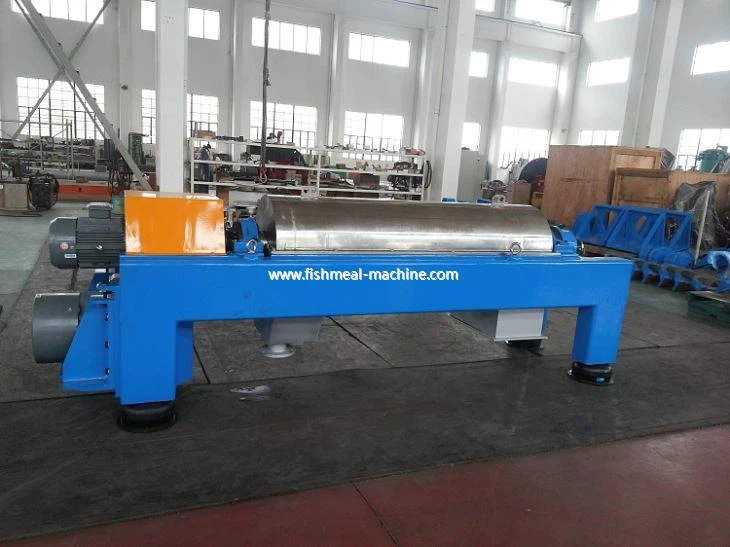
The shape and dimensions of the Tricanter bowl can affect the flow pattern of the feed material and the separation process. A well-designed bowl should provide sufficient residence time for the phases to separate and ensure a smooth and uniform flow of material through the machine. For example, a longer bowl can increase the retention time of the material, allowing for better separation of fine particles. Additionally, the angle of the bowl wall can also impact the sedimentation of solids and the discharge of the separated phases.

Screw Design
The design of the screw conveyor in a Tricanter is crucial for efficient solid discharge. The screw should be able to transport the separated solids out of the bowl without causing excessive agitation or re-mixing of the phases. Factors such as the pitch of the screw, the number of flights, and the clearance between the screw and the bowl wall can all affect the performance of the screw. A properly designed screw will ensure that the solids are discharged smoothly and efficiently, while minimizing the carryover of liquids.
Outlet Configuration
The configuration of the outlets for the separated phases is also important. The outlets should be designed to allow for easy and efficient removal of the heavy liquid, light liquid, and solids. The size and shape of the outlets can affect the flow rate and pressure of the discharged phases, which in turn can impact the separation efficiency. Additionally, the location of the outlets can influence the distribution of the phases within the bowl and the overall performance of the Tricanter.
Maintenance and Cleaning
Regular maintenance and cleaning are essential for ensuring the long-term performance and separation efficiency of a Tricanter. Over time, the accumulation of solids, deposits, and debris in the machine can reduce its efficiency and cause damage to the components.
Maintenance
Routine maintenance tasks such as lubrication, inspection of bearings and seals, and tightening of bolts are necessary to keep the Tricanter in good working condition. Regular maintenance can help prevent breakdowns, extend the lifespan of the machine, and ensure consistent separation performance. It's important to follow the manufacturer's recommended maintenance schedule and procedures to ensure optimal operation of the Tricanter.
Cleaning
Cleaning the Tricanter regularly is also crucial for maintaining separation efficiency. The accumulation of solids and deposits on the bowl walls, screw conveyor, and outlets can impede the flow of material and reduce the effectiveness of the separation process. Cleaning methods may include flushing the machine with water or a cleaning solution, using brushes or scrapers to remove stubborn deposits, and performing a thorough disassembly and cleaning of the components as needed. Proper cleaning procedures should be followed to ensure that all parts of the Tricanter are clean and free from contaminants.
Conclusion
In conclusion, the separation efficiency of a Tricanter is influenced by a variety of factors, including feed characteristics, operating conditions, design and configuration, and maintenance and cleaning. As a Tricanter supplier, I understand the importance of considering these factors when selecting and operating a Tricanter to achieve optimal performance. By carefully analyzing the feed material, adjusting the operating conditions, choosing the right design and configuration, and performing regular maintenance and cleaning, you can maximize the separation efficiency of your Tricanter and improve the overall productivity and quality of your processes.
If you're interested in learning more about Tricanters or are looking to purchase a Tricanter for your specific application, I encourage you to contact me. I'd be happy to discuss your requirements in detail and help you find the best solution for your needs. Let's work together to achieve efficient and effective separation in your operations.
References
- Perry, R. H., & Green, D. W. (Eds.). (2008). Perry's Chemical Engineers' Handbook. McGraw-Hill.
- Svarovsky, L. (1990). Solid-Liquid Separation. Butterworth-Heinemann.