

What is the ozone - generating ability of a deodorizing system?
As a supplier of deodorizing systems, I often encounter questions from customers about the ozone - generating ability of our products. Ozone is a powerful oxidant that can effectively break down odor - causing molecules, making it a valuable component in many deodorizing processes. In this blog, I will delve into the ozone - generating ability of our deodorizing systems, exploring how it works, its benefits, and factors that influence it.
How Ozone is Generated in a Deodorizing System
Ozone (O₃) is an unstable form of oxygen. In our deodorizing systems, ozone is typically generated through a process called corona discharge. This involves passing dry air or oxygen between two electrodes with a high - voltage electrical field. The electrical energy breaks the bonds in oxygen molecules (O₂), causing them to split into individual oxygen atoms. These single oxygen atoms then combine with other oxygen molecules to form ozone.
Another method used in some of our advanced deodorizing systems is ultraviolet (UV) light. UV lamps with a specific wavelength can irradiate oxygen molecules, causing them to dissociate and form ozone. This method is often used in smaller - scale deodorizing applications where a more compact and energy - efficient ozone generation is required.
Benefits of Ozone in Deodorizing
The use of ozone in deodorizing systems offers several significant benefits. Firstly, ozone is a highly effective deodorizer. It can react with a wide range of odor - causing compounds, including volatile organic compounds (VOCs), sulfur - containing compounds, and ammonia. When ozone comes into contact with these odor molecules, it oxidizes them, breaking them down into smaller, less odorous or odorless substances.
Secondly, ozone has antibacterial and antiviral properties. It can kill many types of bacteria, viruses, and fungi in the air and on surfaces. This is particularly important in environments where odor is often accompanied by the presence of harmful microorganisms, such as in waste treatment plants, sewage systems, and industrial kitchens.
In addition, ozone is a natural and environmentally friendly solution. Unlike some chemical deodorizers, ozone decomposes back into oxygen after it has completed its deodorizing and disinfecting tasks. This means that there are no harmful residues left behind, making it a sustainable choice for odor control.
Factors Influencing the Ozone - Generating Ability of a Deodorizing System
Several factors can influence the ozone - generating ability of our deodorizing systems. One of the most important factors is the input gas quality. For corona discharge ozone generators, the air or oxygen used as the input gas needs to be dry and clean. Moisture in the gas can reduce the efficiency of ozone generation and may even damage the generator. Therefore, our deodorizing systems are often equipped with air dryers and filters to ensure the quality of the input gas.
The power supply also plays a crucial role. A stable and appropriate voltage is required to maintain an efficient corona discharge or UV irradiation. If the voltage is too low, the ozone generation rate will be insufficient. On the other hand, if the voltage is too high, it may cause excessive heat generation and damage to the ozone generator components.
The design and size of the ozone generator also affect its ozone - generating ability. Larger ozone generators generally have a higher ozone output capacity. However, the design of the electrodes in corona discharge generators or the arrangement of UV lamps in UV - based generators can also significantly impact the efficiency of ozone production. For example, a well - designed electrode configuration can ensure a more uniform electrical field, leading to a higher ozone generation rate.
Ozone - Generating Ability in Our Deodorizing System Products
We offer a variety of deodorizing system products with different ozone - generating abilities to meet the diverse needs of our customers. For example, our Deodorizing Tower with Pump is a large - scale deodorizing solution suitable for industrial applications. It is equipped with a high - capacity corona discharge ozone generator that can produce a large amount of ozone to handle high - volume odor sources.
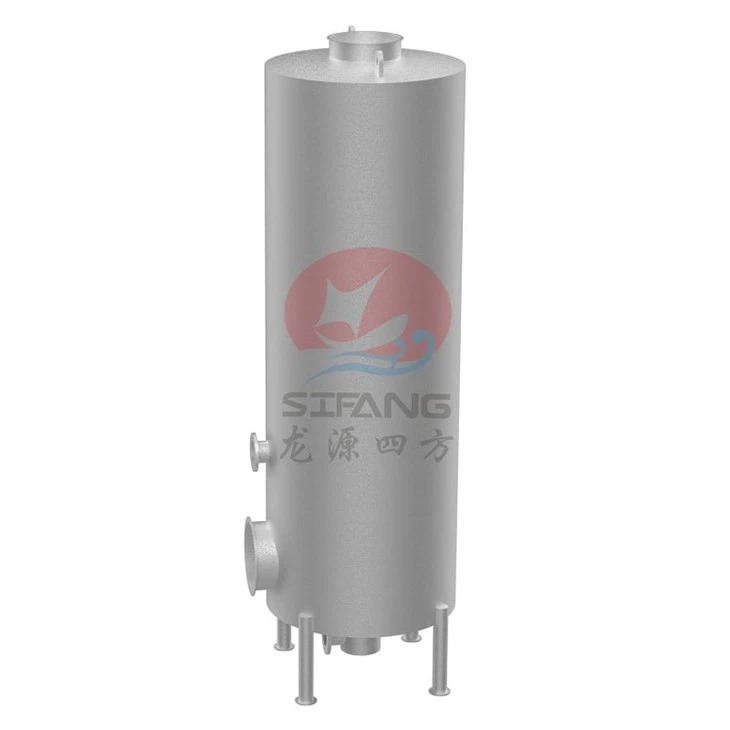

Our Tubular Condenser is often used in combination with ozone - generating deodorizing systems. It can help to cool the waste vapors, which is beneficial for the overall deodorizing process. The ozone generated in the system can then more effectively react with the cooled odor - containing vapors.
The Waste Vapors Cooling Tower is another important component in our deodorizing systems. It can reduce the temperature of waste vapors, which not only improves the efficiency of ozone - based deodorization but also helps to protect the ozone generator from overheating, ensuring a stable ozone - generating ability.
Measuring the Ozone - Generating Ability
To ensure the performance of our deodorizing systems, we use advanced measuring techniques to quantify the ozone - generating ability. Ozone sensors are commonly used to measure the concentration of ozone in the output gas of the ozone generator. These sensors can provide real - time data on the ozone level, allowing us to adjust the operation of the system to maintain the desired ozone output.
We also conduct regular performance tests on our deodorizing systems in our laboratory. These tests involve simulating different operating conditions and measuring the ozone generation rate, deodorizing efficiency, and other relevant parameters. Based on the test results, we can optimize the design and operation of our systems to improve their ozone - generating ability and overall performance.
Safety Considerations
While ozone has many benefits in deodorizing, it is also important to handle it with care. High concentrations of ozone can be harmful to human health. Exposure to ozone can cause respiratory problems, eye irritation, and other health issues. Therefore, our deodorizing systems are designed with safety features to ensure that the ozone concentration in the working environment is within the safe range.
We provide detailed safety instructions to our customers, including guidelines on proper installation, operation, and maintenance of the deodorizing systems. Our systems are also equipped with ozone monitors and automatic shut - off devices. If the ozone concentration exceeds the safe limit, the system will automatically stop generating ozone to protect the users.
Conclusion
The ozone - generating ability of our deodorizing systems is a key factor in their effectiveness. Through advanced ozone generation technologies, such as corona discharge and UV irradiation, our systems can produce an appropriate amount of ozone to effectively eliminate odors, disinfect the air, and improve the overall air quality.
We understand that different customers have different requirements for ozone - generating ability, depending on the scale and nature of their odor problems. That's why we offer a wide range of deodorizing system products with varying ozone output capacities and features. Whether you are dealing with a small - scale odor issue in a commercial kitchen or a large - scale odor problem in an industrial facility, we have the right deodorizing solution for you.
If you are interested in our deodorizing systems and want to learn more about their ozone - generating ability or discuss your specific odor control needs, please feel free to contact us for a detailed consultation and procurement discussion. We are committed to providing you with the best - in - class deodorizing solutions.
References
- Air Quality Handbook: Principles and Practices, edited by John H. Seinfeld and Spyros N. Pandis.
- Ozone in Water Treatment: Application and Engineering, by Rudolf von Gunten.
- Handbook of Odor Measurement and Control, edited by Stuart A. Batterman and Charles Weschler.