

What is the Pressure Drop in a Tubular Condenser?
As a supplier of Tubular Condensers, I've been asked numerous times about the concept of pressure drop in these essential pieces of equipment. Understanding pressure drop is crucial for anyone involved in the design, operation, or maintenance of tubular condensers. In this blog post, I'll delve into what pressure drop is, its significance, the factors that influence it, and how it impacts the overall performance of a tubular condenser.
What is Pressure Drop?
Pressure drop, in the context of a tubular condenser, refers to the decrease in pressure that occurs as a fluid (either a gas or a liquid) flows through the condenser tubes. This reduction in pressure is a result of the resistance encountered by the fluid as it moves through the condenser's internal passages. The resistance is caused by several factors, including friction between the fluid and the tube walls, changes in the fluid's velocity, and the presence of any obstructions or bends in the flow path.
Mathematically, pressure drop is often expressed as the difference in pressure between the inlet and the outlet of the condenser. It is typically measured in units such as pascals (Pa), pounds per square inch (psi), or inches of water column (inH₂O). A significant pressure drop can have a profound impact on the performance and efficiency of the tubular condenser, as well as the entire system in which it is installed.
Significance of Pressure Drop in Tubular Condensers
The pressure drop in a tubular condenser is a critical parameter that affects several aspects of its operation. Here are some of the key reasons why understanding and managing pressure drop is so important:
- Energy Consumption: A high pressure drop requires more energy to pump the fluid through the condenser. This increased energy consumption can lead to higher operating costs, especially in large-scale industrial applications where condensers are used continuously.
- Heat Transfer Efficiency: Pressure drop can also influence the heat transfer efficiency of the condenser. If the pressure drop is too high, it can cause a reduction in the flow rate of the fluid, which in turn can decrease the heat transfer coefficient and reduce the overall effectiveness of the condenser.
- System Performance: The pressure drop in a tubular condenser can have a cascading effect on the performance of the entire system. For example, if the condenser is part of a refrigeration or air conditioning system, a high pressure drop can cause the compressor to work harder, leading to increased wear and tear and potentially reducing the lifespan of the equipment.
- Safety: In some cases, excessive pressure drop can pose a safety risk. For example, if the pressure drop is too high in a condenser that is used to handle flammable or toxic fluids, it can cause leaks or other safety hazards.
Factors Affecting Pressure Drop in Tubular Condensers
Several factors can influence the pressure drop in a tubular condenser. Understanding these factors is essential for designing and operating condensers that are efficient, reliable, and safe. Here are some of the key factors to consider:
- Tube Diameter and Length: The diameter and length of the condenser tubes have a significant impact on the pressure drop. Generally, smaller diameter tubes and longer tubes will result in a higher pressure drop due to increased friction and resistance.
- Fluid Velocity: The velocity of the fluid flowing through the condenser tubes also affects the pressure drop. Higher fluid velocities will result in a higher pressure drop, as the fluid encounters more resistance as it moves through the tubes.
- Fluid Properties: The properties of the fluid, such as its viscosity, density, and thermal conductivity, can also influence the pressure drop. For example, more viscous fluids will experience a higher pressure drop than less viscous fluids.
- Tube Surface Roughness: The roughness of the tube walls can also affect the pressure drop. Smoother tube surfaces will result in a lower pressure drop, as there is less friction between the fluid and the tube walls.
- Number of Tube Passes: The number of tube passes in a condenser can also impact the pressure drop. More tube passes will generally result in a higher pressure drop, as the fluid has to travel a longer distance through the condenser.
Measuring and Controlling Pressure Drop in Tubular Condensers
Measuring the pressure drop in a tubular condenser is relatively straightforward. It can be done using pressure gauges installed at the inlet and outlet of the condenser. By comparing the pressure readings at these two points, the pressure drop can be calculated.

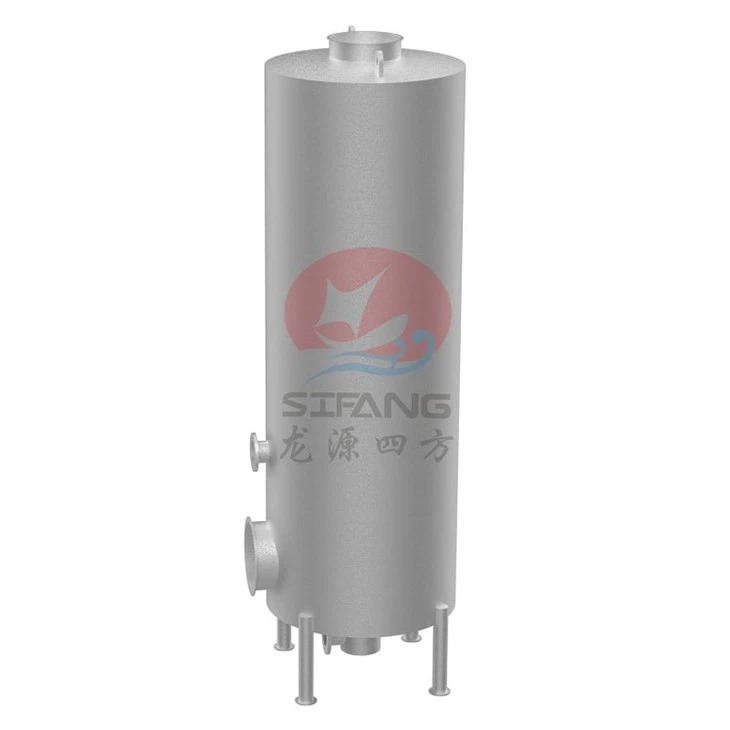
Controlling the pressure drop in a tubular condenser is a more complex task. It requires careful consideration of the factors mentioned above and the implementation of appropriate design and operating strategies. Here are some of the ways to control pressure drop in tubular condensers:
- Optimize Tube Design: Choosing the right tube diameter, length, and surface roughness can help to minimize the pressure drop. Additionally, using tubes with a larger cross-sectional area can reduce the fluid velocity and thus the pressure drop.
- Control Fluid Velocity: Maintaining an appropriate fluid velocity is crucial for minimizing the pressure drop. This can be achieved by adjusting the flow rate of the fluid or by using a variable speed pump.
- Use Appropriate Tube Materials: The choice of tube material can also affect the pressure drop. Some materials, such as stainless steel, have a smoother surface finish than others, which can result in a lower pressure drop.
- Clean and Maintain the Condenser: Regular cleaning and maintenance of the condenser can help to prevent the buildup of dirt, debris, and scale on the tube walls, which can increase the pressure drop.
Impact of Pressure Drop on Tubular Condenser Performance
The pressure drop in a tubular condenser can have a significant impact on its performance. Here are some of the key ways in which pressure drop can affect the operation of a condenser:
- Reduced Heat Transfer Efficiency: As mentioned earlier, a high pressure drop can cause a reduction in the flow rate of the fluid, which can decrease the heat transfer coefficient and reduce the overall effectiveness of the condenser. This can result in a lower cooling capacity and higher energy consumption.
- Increased Energy Consumption: A high pressure drop requires more energy to pump the fluid through the condenser. This increased energy consumption can lead to higher operating costs and a less efficient system.
- Compressor Overloading: In a refrigeration or air conditioning system, a high pressure drop in the condenser can cause the compressor to work harder, leading to increased wear and tear and potentially reducing the lifespan of the equipment.
- System Instability: Excessive pressure drop can also cause system instability, leading to fluctuations in temperature, pressure, and flow rate. This can make it difficult to maintain a consistent and reliable operation of the system.
Conclusion
In conclusion, understanding the pressure drop in a tubular condenser is essential for anyone involved in the design, operation, or maintenance of these important pieces of equipment. By understanding the factors that affect pressure drop and implementing appropriate design and operating strategies, it is possible to minimize the pressure drop and improve the performance, efficiency, and reliability of the condenser.
As a supplier of Tubular Condensers, we are committed to providing our customers with high-quality condensers that are designed to minimize pressure drop and maximize performance. Our condensers are available in a variety of sizes and configurations to meet the specific needs of our customers. We also offer a range of related products, such as Waste Vapors Cooling Towers and Deodorizing Tower with Pump, to provide complete solutions for your industrial cooling and deodorizing needs.
If you are interested in learning more about our tubular condensers or any of our other products, please contact us to discuss your requirements. Our team of experts will be happy to assist you in selecting the right equipment for your application and provide you with a detailed quote.
References
- Incropera, F. P., & DeWitt, D. P. (2002). Fundamentals of Heat and Mass Transfer. John Wiley & Sons.
- Holman, J. P. (2002). Heat Transfer. McGraw-Hill.
- Kakaç, S., & Liu, H. (2002). Heat Exchangers: Selection, Rating, and Thermal Design. CRC Press.