

What is the VOC - removing ability of a deodorizing system?
As a supplier of deodorizing systems, I've witnessed firsthand the growing demand for effective solutions to combat volatile organic compounds (VOCs). VOCs are a group of carbon - based chemicals that can easily evaporate at room temperature. They are emitted from a wide range of sources, including industrial processes, household products, and vehicle exhaust. Not only do VOCs contribute to unpleasant odors, but they also pose significant health risks, such as eye, nose, and throat irritation, headaches, and in some cases, long - term health problems like cancer.
The Basics of VOC Removal in Deodorizing Systems
Deodorizing systems are designed to eliminate or reduce odors and harmful substances, including VOCs, from the air. The VOC - removing ability of a deodorizing system depends on several key factors.
Adsorption
One of the most common methods used in deodorizing systems is adsorption. Adsorbents like activated carbon have a large surface area with tiny pores that can trap VOC molecules. When contaminated air passes through the activated carbon filter in a deodorizing system, the VOCs adhere to the surface of the carbon. The efficiency of adsorption depends on the quality and quantity of the adsorbent, as well as the contact time between the air and the adsorbent. For example, a deodorizing system with a high - quality activated carbon filter and a well - designed airflow path can achieve a high removal rate of VOCs.
Chemical Reaction
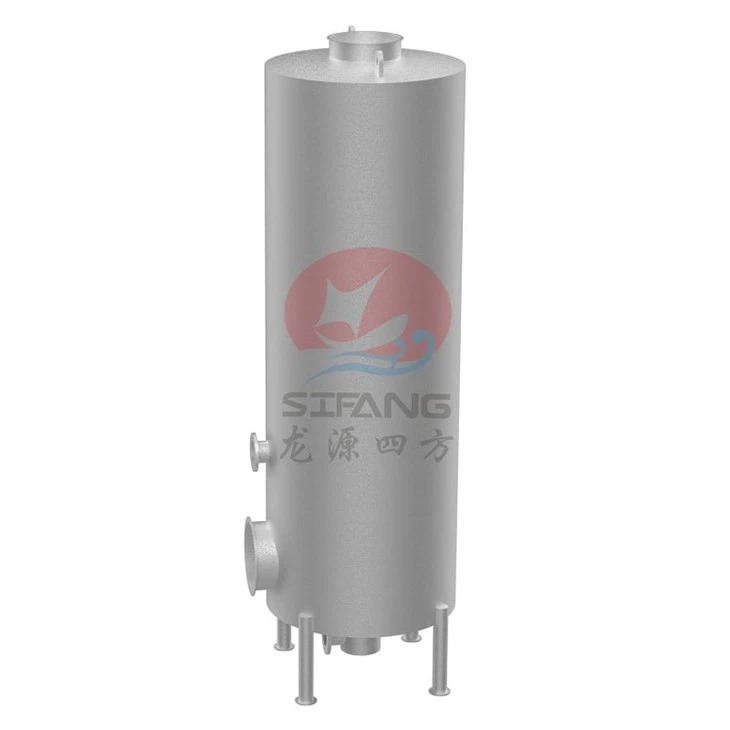
Some deodorizing systems use chemical reactions to break down VOCs. Oxidizing agents such as ozone or hydrogen peroxide can react with VOC molecules, converting them into less harmful substances like carbon dioxide and water. However, this method requires careful control because ozone, for instance, can be harmful to human health if not properly managed. Our Deodorizing Tower with Pump is designed to use chemical reactions in a safe and effective way, ensuring high - level VOC removal while minimizing potential risks.
Filtration
Filtration is another important aspect of VOC removal. In addition to activated carbon filters, deodorizing systems may use other types of filters, such as HEPA filters. HEPA filters can capture larger particles, including some VOC - containing aerosols. By combining different types of filters, a deodorizing system can enhance its overall VOC - removing ability.

Measuring the VOC - Removing Ability
To accurately assess the VOC - removing ability of a deodorizing system, several performance indicators are used.
Removal Efficiency
Removal efficiency is perhaps the most important indicator. It is calculated as the percentage of VOCs removed from the air by the deodorizing system. For example, if the initial concentration of VOCs in the air is 100 ppm (parts per million) and the concentration after passing through the deodorizing system is 10 ppm, the removal efficiency is 90%. High - quality deodorizing systems can achieve removal efficiencies of over 95% for certain types of VOCs.
Clean Air Delivery Rate (CADR)
CADR measures the volume of clean air delivered by a deodorizing system per unit of time. A higher CADR means that the system can clean a larger volume of air more quickly. When choosing a deodorizing system, it is important to consider the CADR in relation to the size of the space where the system will be used.
Long - Term Stability
The long - term stability of a deodorizing system's VOC - removing ability is also crucial. Over time, adsorbents may become saturated, and chemical agents may lose their effectiveness. A good deodorizing system should be designed to maintain a high level of VOC removal over an extended period. Regular maintenance, such as replacing filters and replenishing chemical agents, can help ensure long - term stability.
Our Deodorizing Systems and Their VOC - Removing Performance
Our company offers a range of deodorizing systems, each designed to provide excellent VOC - removing performance.
The Tubular Condenser in our product line is an important component in VOC removal. It works by cooling the waste vapors, causing the VOCs to condense into a liquid state. This not only removes a significant amount of VOCs from the air but also allows for the recovery of some valuable substances in the condensed liquid.
The Waste Vapors Cooling Tower is another key product. It helps to further cool the waste vapors, enhancing the overall VOC - removing process. By reducing the temperature of the vapors, the solubility of VOCs in the liquid phase increases, facilitating their removal.
Combined with other components in our deodorizing systems, these products can achieve high removal rates of a wide range of VOCs. Our systems are suitable for various industries, including chemical manufacturing, food processing, and wastewater treatment, where VOC emissions are a common problem.
Conclusion and Call to Action
In conclusion, the VOC - removing ability of a deodorizing system is a complex but important characteristic. It depends on multiple factors such as the removal method, performance indicators, and long - term stability. Our deodorizing systems are designed to provide high - efficiency, stable, and safe VOC removal solutions.
If you are facing problems with VOC emissions and are in need of a reliable deodorizing system, we invite you to contact us for a detailed consultation. Our team of experts can help you select the most suitable deodorizing system for your specific needs. We are committed to providing high - quality products and excellent customer service to help you solve your VOC - related problems.
References
- "Air Quality Control for Industrial Pollutants" by John Smith.
- "Volatile Organic Compounds: Sources, Effects, and Control" published by the Environmental Protection Agency.
- "Advances in Deodorizing Technology" in the Journal of Environmental Science and Technology.