

The working temperature range of an oil separator is a critical factor that significantly impacts its performance and longevity. As a leading supplier of oil separators, we understand the importance of providing our customers with accurate information about this aspect. In this blog post, we will delve into the details of the working temperature range of oil separators, exploring its significance, influencing factors, and the ideal conditions for optimal operation.
Significance of the Working Temperature Range
The working temperature range of an oil separator refers to the span of temperatures within which the device can operate effectively and safely. This range is determined by various factors, including the materials used in the separator's construction, the type of oil being separated, and the specific design of the equipment. Operating an oil separator outside of its recommended temperature range can lead to a multitude of problems, such as reduced separation efficiency, increased wear and tear on components, and even potential damage to the equipment.
For instance, if the temperature is too low, the viscosity of the oil may increase, making it more difficult for the separator to separate the oil from other substances. This can result in poor separation performance and a decrease in the quality of the separated oil. On the other hand, if the temperature is too high, the oil may break down or oxidize, leading to the formation of sludge and other contaminants. This not only reduces the efficiency of the separator but also shortens the lifespan of the equipment.
Influencing Factors
Several factors can influence the working temperature range of an oil separator. One of the most significant factors is the type of oil being separated. Different oils have different viscosity-temperature characteristics, which means that they will behave differently at various temperatures. For example, heavy oils typically have a higher viscosity at lower temperatures and a lower viscosity at higher temperatures compared to light oils. As a result, the working temperature range of an oil separator designed for heavy oils may be different from that of a separator designed for light oils.
Another important factor is the materials used in the construction of the oil separator. The separator's components, such as the filter media, seals, and gaskets, must be able to withstand the temperatures within the working range without degrading or losing their effectiveness. For example, some materials may become brittle or lose their elasticity at low temperatures, while others may melt or deform at high temperatures. Therefore, the choice of materials is crucial in determining the working temperature range of the oil separator.
The design of the oil separator also plays a role in its working temperature range. Factors such as the size and shape of the separator, the flow rate of the oil, and the type of separation mechanism used can all affect how the separator responds to different temperatures. For example, a separator with a larger surface area may be able to dissipate heat more effectively, allowing it to operate at higher temperatures. Similarly, a separator with a more efficient separation mechanism may be able to achieve better separation performance at a wider range of temperatures.
Ideal Working Temperature Range
The ideal working temperature range for an oil separator depends on several factors, including the type of oil being separated, the specific application, and the design of the equipment. However, in general, most oil separators are designed to operate within a temperature range of -20°C to 80°C (-4°F to 176°F). This range provides a good balance between the viscosity of the oil and the performance of the separator's components.
At temperatures below -20°C (-4°F), the viscosity of the oil may become too high for the separator to operate effectively. The oil may also become more prone to solidification, which can clog the separator's filter media and reduce its separation efficiency. On the other hand, at temperatures above 80°C (176°F), the oil may start to break down or oxidize, leading to the formation of sludge and other contaminants. This can not only reduce the efficiency of the separator but also cause damage to the equipment over time.
It is important to note that the ideal working temperature range may vary depending on the specific requirements of the application. For example, in some industrial applications, such as oil refineries or power plants, the oil may need to be separated at higher temperatures due to the nature of the process. In these cases, special oil separators designed for high-temperature applications may be required.
Monitoring and Controlling the Working Temperature
To ensure that an oil separator operates within its recommended working temperature range, it is important to monitor and control the temperature of the oil. This can be done using a variety of methods, including temperature sensors, thermostats, and cooling systems.
Temperature sensors can be installed in the oil separator to measure the temperature of the oil at various points in the system. These sensors can provide real-time data on the temperature, allowing operators to monitor the performance of the separator and make adjustments as needed. Thermostats can be used to control the temperature of the oil by automatically adjusting the flow of coolant or heating elements. This helps to maintain the oil at a constant temperature within the recommended range.
Cooling systems, such as heat exchangers or radiators, can be used to dissipate heat from the oil and keep the temperature within the working range. These systems work by transferring heat from the oil to a coolant, such as water or air, which is then dissipated into the environment. In some cases, additional cooling measures, such as refrigeration units, may be required to achieve the desired temperature.
Conclusion
The working temperature range of an oil separator is a critical factor that affects its performance and longevity. By understanding the significance of the working temperature range, the influencing factors, and the ideal conditions for optimal operation, operators can ensure that their oil separators operate effectively and efficiently. Monitoring and controlling the working temperature of the oil is essential to prevent problems such as reduced separation efficiency, increased wear and tear on components, and potential damage to the equipment.
As a leading supplier of oil separators, we offer a wide range of products designed to meet the diverse needs of our customers. Our oil separators are engineered to operate within a wide temperature range, ensuring reliable performance in various applications. Whether you need a separator for a small-scale industrial application or a large-scale oil refinery, we have the expertise and experience to provide you with the right solution.

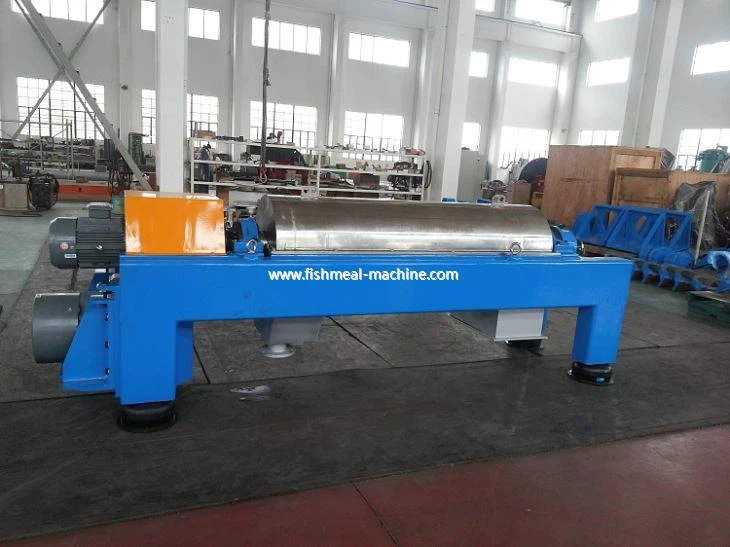
If you are interested in learning more about our oil separators or have any questions about the working temperature range, please do not hesitate to [contact us]. Our team of experts will be happy to assist you and provide you with the information you need. We look forward to the opportunity to work with you and help you find the perfect oil separator for your application.
References
- [Insert relevant references here, such as industry standards, technical papers, or product manuals]
In addition, for more information on advanced oil separation technologies, you can visit our Tricanter page. If you're considering purchasing an oil separator for your specific needs, we encourage you to reach out to us for a detailed discussion. Our team is ready to provide personalized solutions and guidance to ensure you make the best choice for your operations.