

Hey there! I'm a supplier of Fish Meal Steam Cookers, and today I wanna chat about how these nifty machines handle different types of fish. It's a topic that's super important for anyone in the fish meal industry, whether you're a small - scale fisherman or running a big fish processing plant.
First off, let's understand the basics. A fish meal steam cooker is a key piece of equipment in the fish meal production process. Its main job is to cook the fish, which makes it easier to separate the oil, water, and solids later on. But different fish have different characteristics, like size, fat content, and texture, and the cooker needs to deal with these differences effectively.
Fatty Fish vs. Lean Fish
One of the biggest distinctions among fish types is the fat content. Fatty fish, such as mackerel, herring, and salmon, have a relatively high amount of oil in their bodies. When cooking fatty fish in a fish meal steam cooker, we need to be careful not to over - cook them. If the cooking temperature is too high or the cooking time is too long, the fat can break down and oxidize, which not only affects the quality of the fish oil but also the final fish meal.
Our fish meal steam cookers are designed to handle fatty fish gently. They can control the steam temperature and cooking time precisely. For example, we can set the cooker to maintain a lower temperature, around 80 - 90°C, for a shorter period, maybe 10 - 15 minutes. This way, the fish is cooked enough to release the oil and water, but the fat remains stable.
On the other hand, lean fish like cod and haddock have less fat. They usually require a bit more cooking time and a slightly higher temperature. We can increase the temperature to around 90 - 100°C and cook them for 15 - 20 minutes. This ensures that the proteins in the lean fish are properly denatured, making it easier to separate the solids from the liquid during the subsequent processing steps.
Small Fish vs. Large Fish
The size of the fish also matters. Small fish, like anchovies and sardines, can be cooked more quickly because they have a larger surface - area - to - volume ratio. They heat up faster in the steam cooker. Our steam cookers can handle small fish in large batches. The steam can penetrate the small fish easily, and the cooking process is relatively uniform.
Large fish, however, pose a different challenge. Fish like tuna or swordfish need to be cut into smaller pieces before cooking in the steam cooker. This is because if the pieces are too large, the outer part may get over - cooked while the inner part remains under - cooked. Our fish meal steam cookers are equipped with adjustable steam nozzles and agitators. The agitators ensure that the fish pieces are constantly moving, so they are cooked evenly. And the adjustable steam nozzles can direct the steam to different parts of the cooker, making sure that all the fish pieces get enough heat.
Fresh Fish vs. Frozen Fish
Another factor to consider is whether the fish is fresh or frozen. Fresh fish is generally easier to cook. It has a more natural texture, and the steam can penetrate it more easily. Our steam cookers can handle fresh fish right away, with just a simple pre - cleaning step.
Frozen fish, on the other hand, needs to be thawed first. Thawing can be done either outside the cooker or in the cooker itself. If thawing in the cooker, we can use a lower - temperature steam setting to gradually raise the temperature of the frozen fish. Once the fish is thawed, the cooking process is similar to that of fresh fish. But we need to be aware that frozen fish may have a slightly different texture due to the ice crystals that form during freezing. Our steam cookers are designed to adapt to these changes and still produce high - quality fish meal.
The Role of Other Equipment in the Process
After the fish is cooked in the steam cooker, it needs to go through other processing steps. One important piece of equipment is the Fish Meal Twin Screw Press. This press is used to separate the liquid (which contains oil and water) from the solid fish meal. The cooked fish, whether it's from fatty or lean fish, small or large, fresh or frozen, needs to be pressed effectively. Our twin - screw presses are designed to work in harmony with our steam cookers. They can handle different consistencies of the cooked fish, ensuring a high - efficiency separation process.
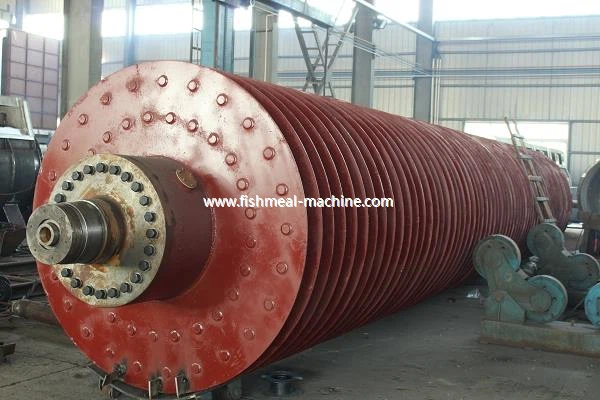

Another crucial piece of equipment is the Fish Meal Rotor Disc Dryer. After the pressing, the wet fish meal needs to be dried to reduce its moisture content. The dryer can adjust its drying parameters according to the type of fish meal. For example, fish meal from fatty fish may require a lower - temperature drying process to prevent the oil from oxidizing further.
And if you're looking for a specific type of press, we also offer the SUS304 Twin Screw Press For Fish Meal Plant. This press is made of high - quality SUS304 stainless steel, which is resistant to corrosion and can handle different types of fish meal processing requirements.
Conclusion
In conclusion, our fish meal steam cookers are highly versatile machines that can handle different types of fish effectively. Whether it's fatty or lean fish, small or large fish, fresh or frozen fish, we've got you covered. By precisely controlling the cooking temperature and time, and working in harmony with other equipment like the twin - screw presses and rotor disc dryers, we can ensure that you get high - quality fish meal and fish oil.
If you're in the fish meal industry and looking for reliable fish meal processing equipment, don't hesitate to get in touch with us. We're always here to discuss your specific needs and provide you with the best solutions. Let's work together to make your fish meal production more efficient and profitable.
References
- "Fish Meal Processing Technology" - A comprehensive guide on fish meal production methods and equipment.
- "Advances in Aquatic Product Processing" - Research on the latest techniques in handling different types of fish for meal production.